What the Hell is a Fixer; Khartoum, Sudan
In Karthoum we had a 1st contact on the phone with our fixer in Wadi Halfa.

Scroll the map for details …
… and explore our stories below.
… and explore our stories
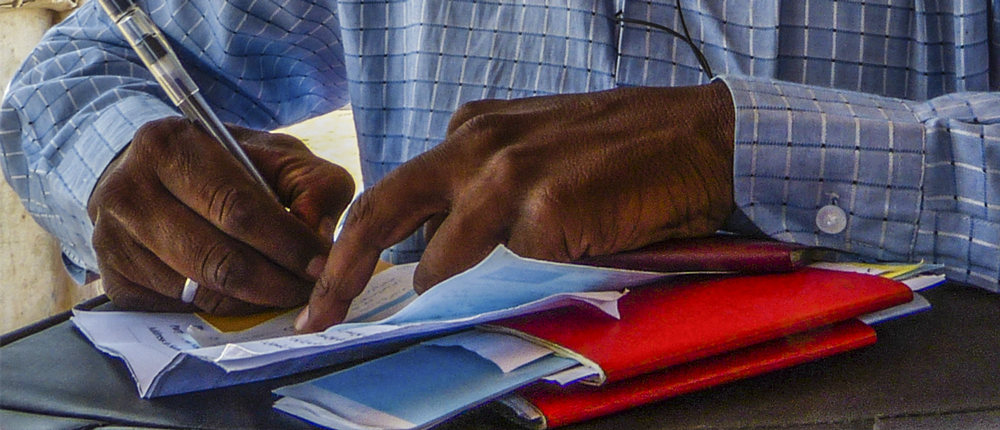
In Karthoum we had a 1st contact on the phone with our fixer in Wadi Halfa.
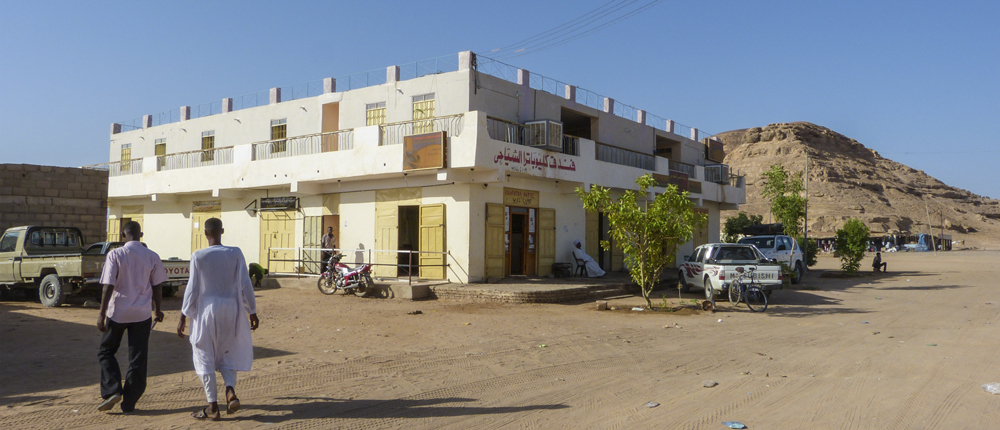
Nightlife in Wadi Halfa was definitely not that confusing: just listening to the television placed in the middle of the open floor and trying to sleep.
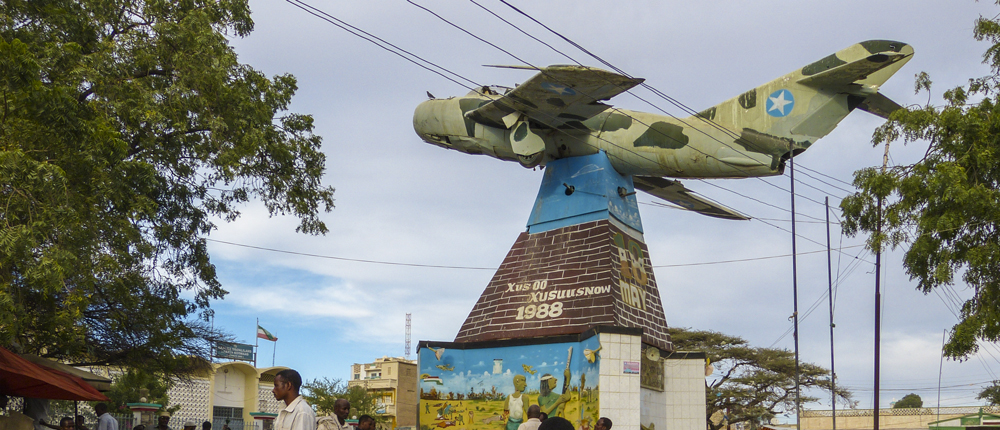
We explored the market and the most important buildings of the proud capital of the non-existing state of Somaliland. Amongst others the hero’s monument: an emergency landed MIG 21 airplane the former dictator Sidi Barre sent to Hargeysa to bombard the secessionist Somalilandies.
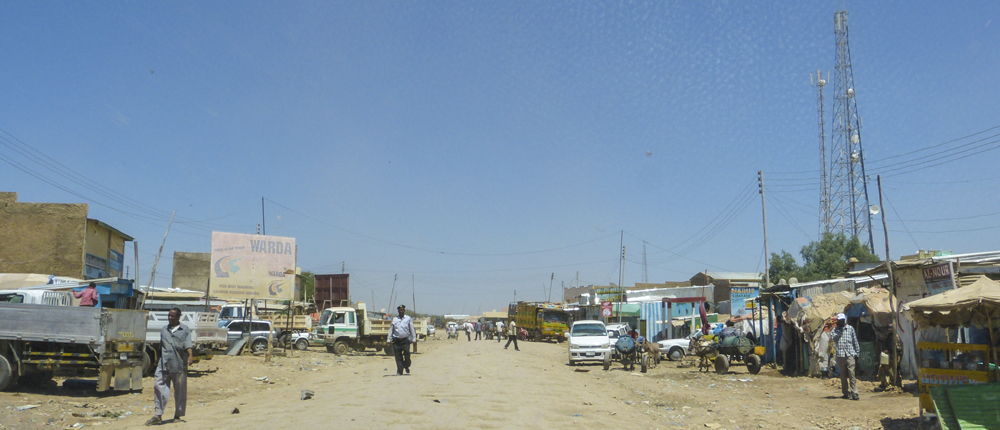
We arrived at the border to Somaliland – at a first glance the village looked like other small towns at borders: more plastic bags in the scrub than inhabitants and goats.
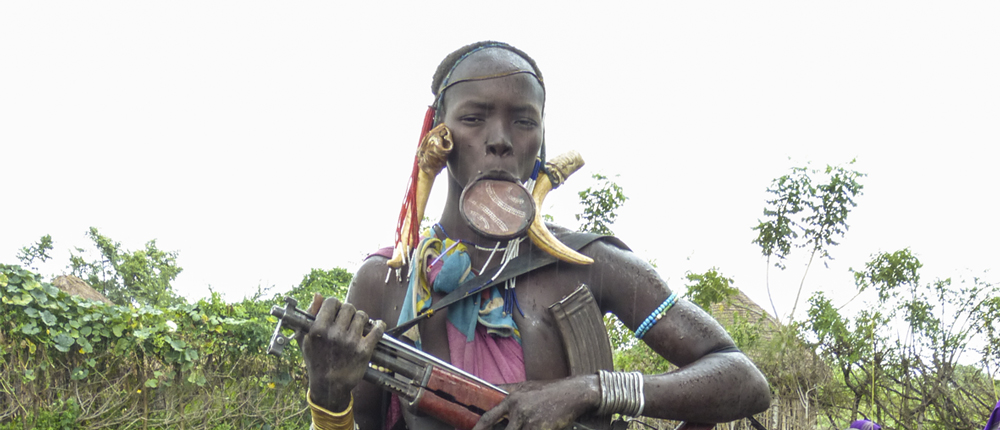
We arrived in Southern Ethiopia with its dozens of very different tribes living there. Each with their very own culture and most of them having clear rules and signs to distinguish them from their neighbours.

Nairobi has very modern Government skyscrapers with very tight security to protect its public servants from its citizens – and from Al Qaida gentlemen.
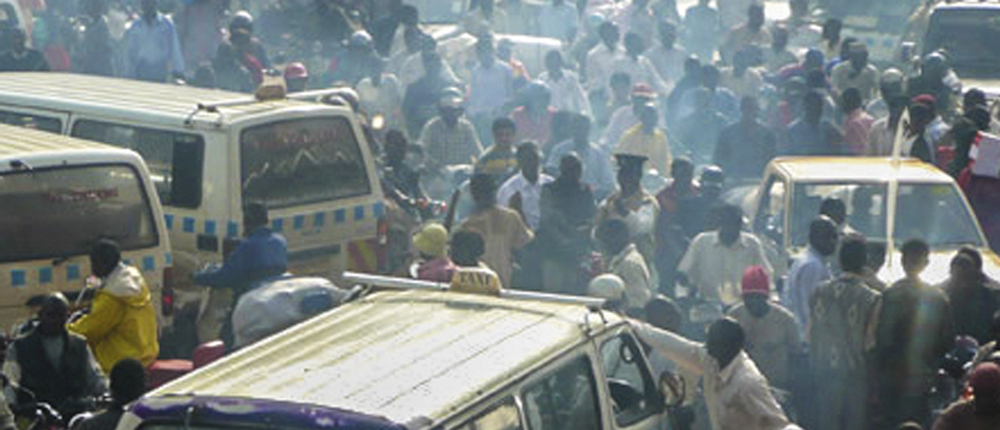
We arrive in Uganda. So we’re in the country with the definitely most dangerous driving habits in the world and millions of motorbike drivers with passenger but, all without helmets trying to survive between the suicide car drivers – as you can state all sounds a little familiar to situations in the Congo.

When travelling thru Africa, normally you get to the border, greet the officer, ask him how he is, how his wife is, his girlfriends, the kids of his girlfriends and eventually the one with his wife.
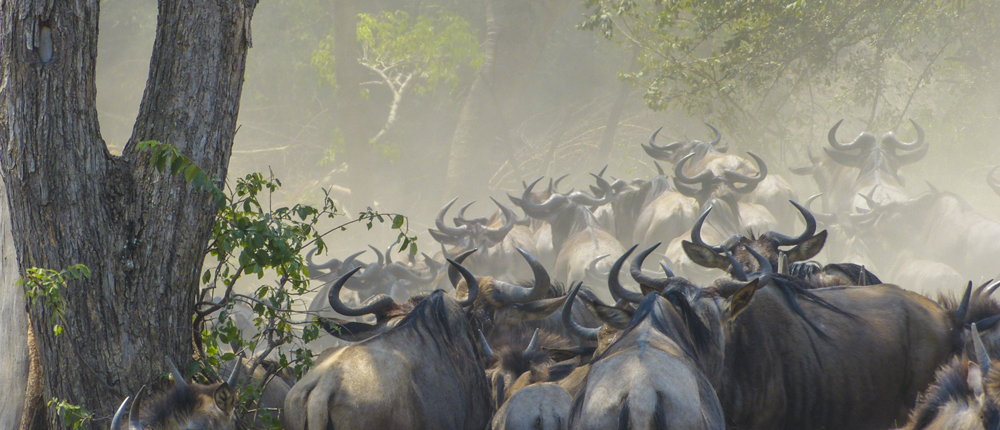
Lions are not the main reason to visit Serengeti. Watching odd lions is rather interesting for these thousands of pre-booked tour operators, which have to economise fuel for their driver’s challenges in daily live. Definitely Serengeti’s highlight is rather wildebeests.

After all these wild beasts life had to go on. We headed on to Lake Natron even if some traveller’s stories about modern Maasai culture seriously tried to discourage us.
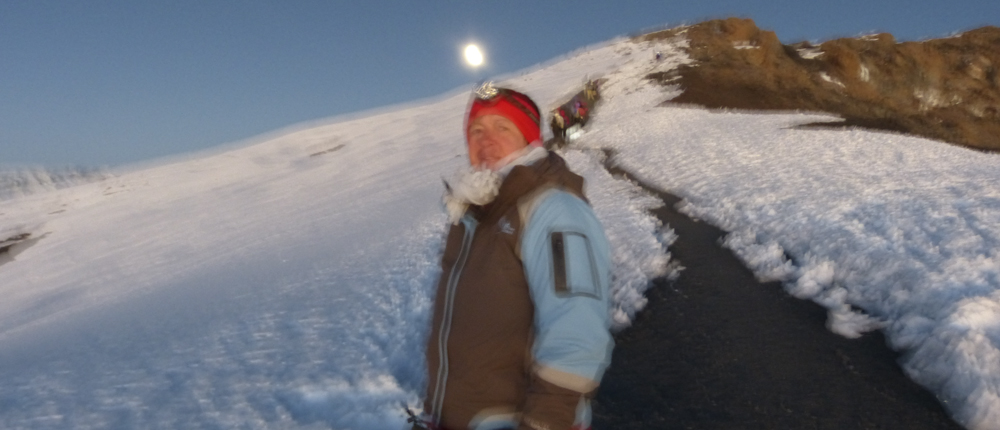
At 10 pm we had to get up. We drank some tea, ate some biscuits and got into 5 layers of different clothes, scarves, caps, gloves against the freezing temperature at 4600 m and expecting some more rather cold weather at 6000 m.
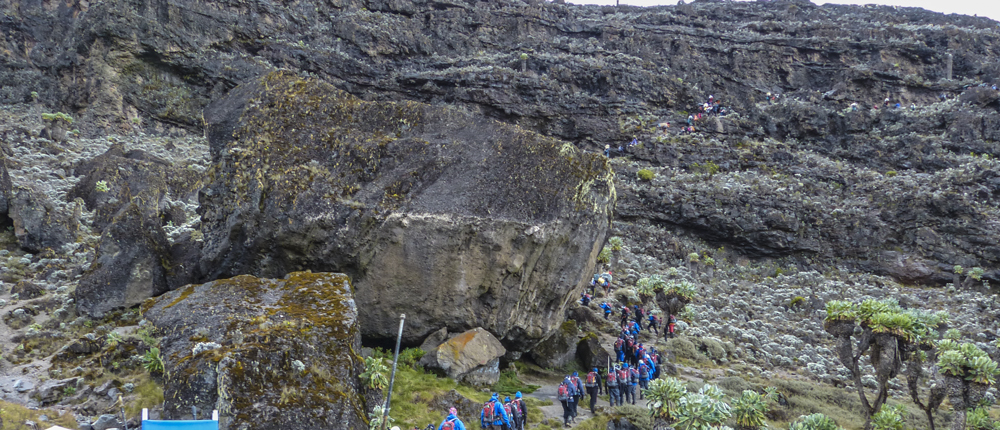
The 2nd evening we enjoyed the view from this camp to the famous Barranco Wall. This wall is famous of being the major obstacle to climb Kili.

We had a cook when climbing Kili. He had to do his job supplying us with all sorts of delicacies. To do so, the porters carried all kind of foodstuff up to the mountain.
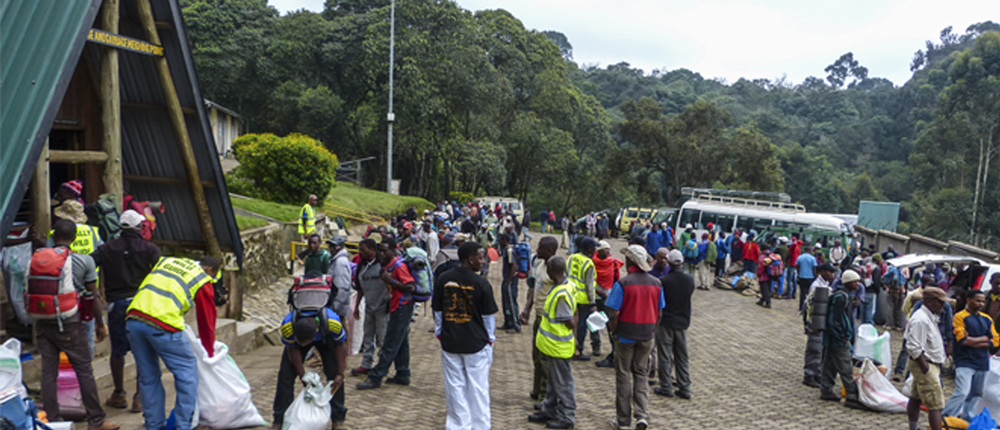
The climbing company had their own hotel they booked us into – something like a railway station; coming and going of all sort of people for 24h a day.
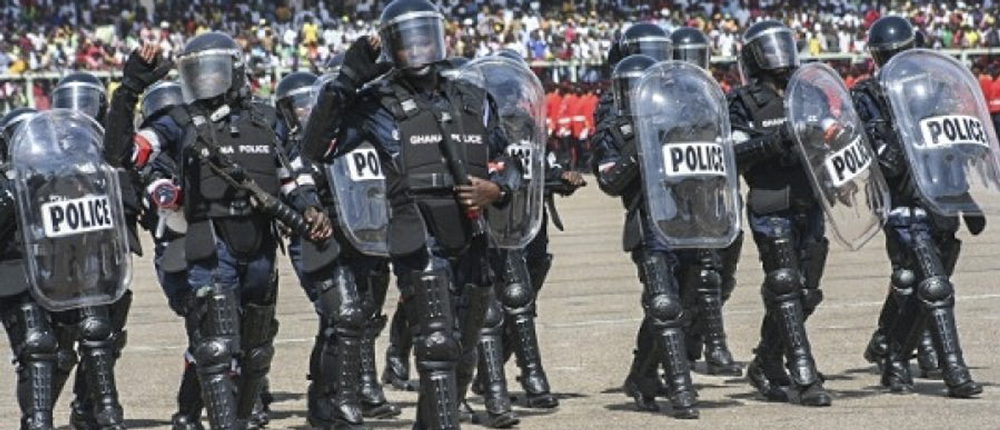
After some very intense and close observation in all the countries we have traveled to, we discovered a much more widespread, maybe even a transversal ethnic, with some similarities in all countries.

We had not yet our all-important visa to enter Mozambique when we arrived at the border. We crossed at a very small post. The local authrity was a little bit overwhelmed as he had to handle two foreigners at the same time in a correct manner.
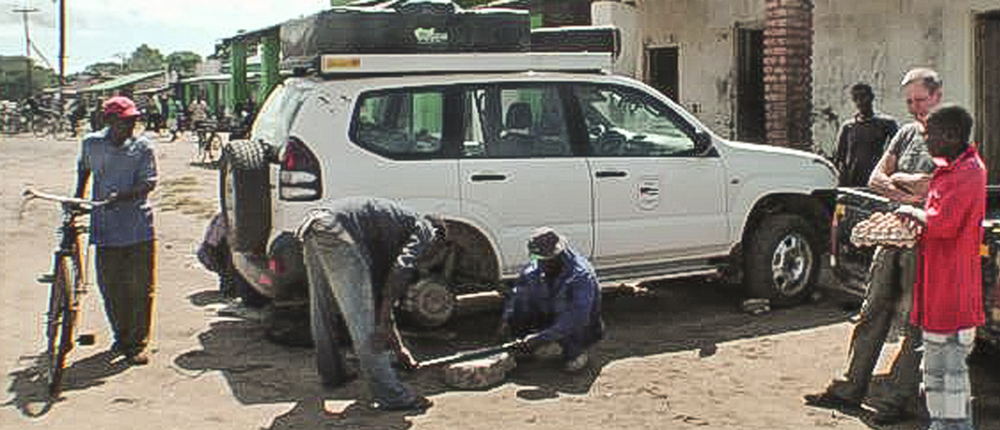
Well, some African roads may be a little bumpy. This definitely applies to the road up to Livinstonia in Northern Malawi.
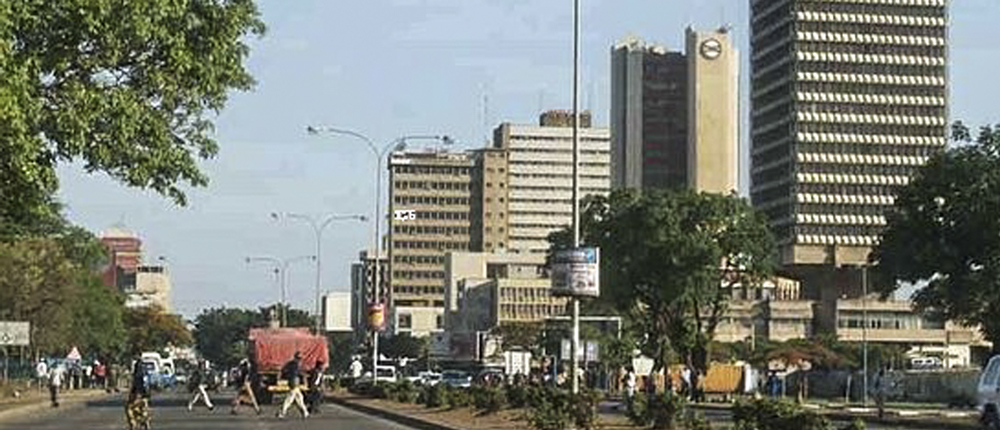
As Swiss citizens we need a visa for Malawi. However, unfortunately the high commission moved from the old premises to new ones,

Coming out of the Tankwa Karo National Park we had some minor problems. One of our brand new (!!!!) tires burst.

We had a slight problem with the clutch. The real problem was not 2 replace it. U just go 2 Toyota, to order the spare parts, organise them for fitting it- that’s all.