
















Finally, we’re on the road again. Now to the Baltics. The trip thru Germany, kitschy towns, the importance of beer, and a dormitory built to survive an atomic bomb.
We’re sitting in our apartment, busy editing the 1st post for our planned trip to the Baltic States. It’s not easy to concentrate this afternoon. It’s 32° inside, and outside it’s above 35°.
We’re in the middle of the 3rd heat wave of this summer, impatiently waiting for things to cool down a bit and thinking seriously about some rain dances to fight the severe, prolonged drought we’ve had for the last 3 months. True, we’re among the lucky ones getting water from a lake, but that’s rarely the case for other parts of Europe.
It’s the quiet time of the year. Most Swizzies spend their leave in 45° heat in Italy or Croatia.
Politics takes advantage of the summer lull, it looks like nothing urgent could disturb them.
Fortunately, another initiative calling for an immigration cap, which could push the country further into isolation was rejected by a referendum. The campaign for the next referendum of our beloved Swiss Volltrottel Party (right wing moron party) to turn the clock back to the “golden” 1950s has just begun. Farmers fearing big crop losses get a bit unsettled, asking government to foot the bill – ignoring their years of resistance to climate policies.
And finally, Uncle Donny behaves as usual, probably no reason to keep listening to all his nonsense.
Finally, there´s an issue dominating the headlines: the ongoing corruption of the FIFA boss. A case so important nobody can ignore.
Back to reality. Luckily, Swizzyland has some places to escape the heat – at least for a few days.
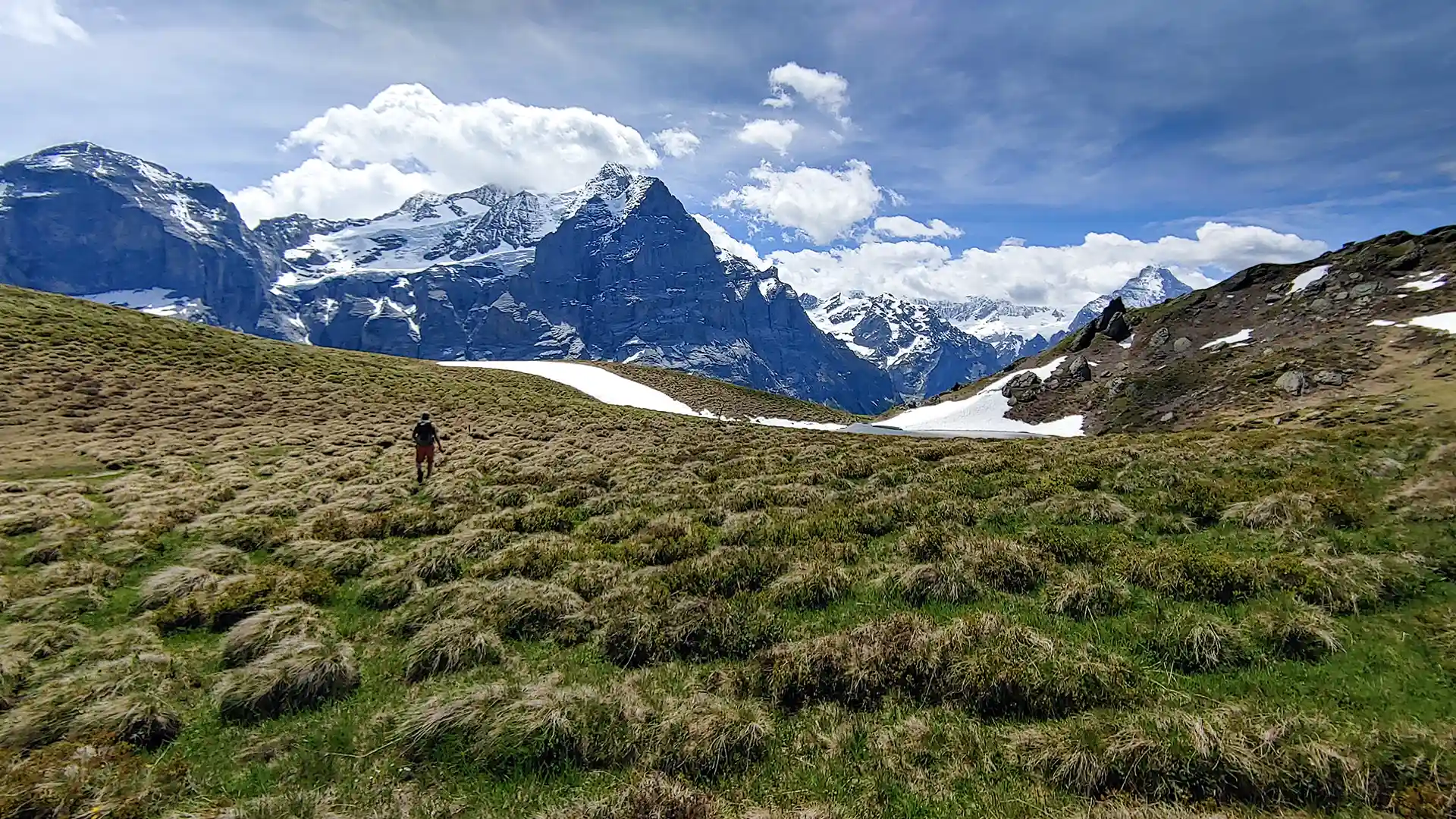
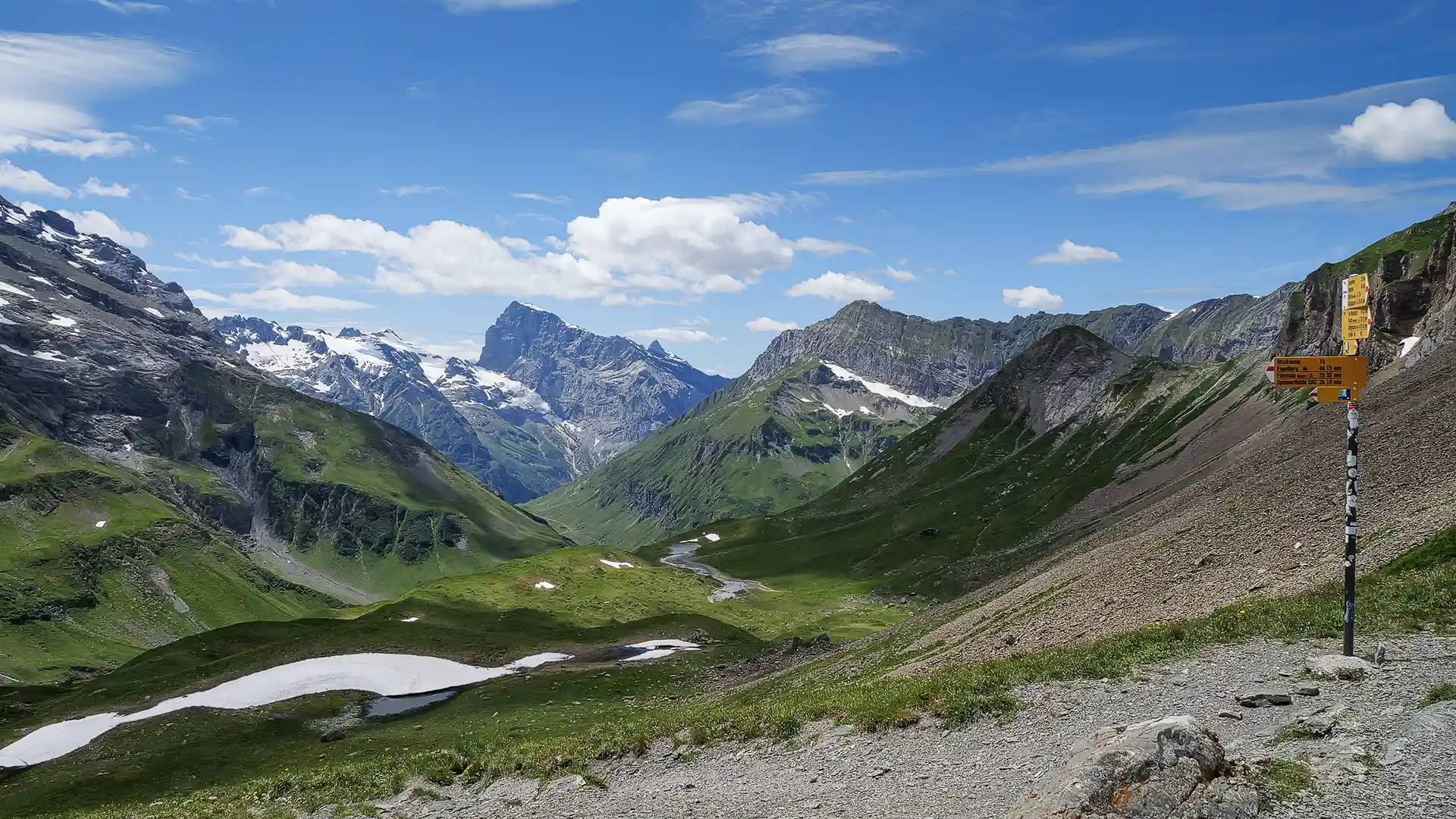
Opportunities for a dip into the lake and some mountain hikes, exploring regions we didn’t know before, and checking out if the van is still working properly.
Grosse Scheidegg, Surenenpass, Diavolezza
By the end of July and into August, the situation changes – summer craziness is at its peak. Everyone has to take their leave, everything gets completely booked, the mountain trails become children’s playgrounds and grandma’s last challenge.
For us, it’s time to seriously start planning our trip to the Baltics.
And time to tackle the last repairs on the van. Thanx to Amazon for the quick delivery of the spares.
Then we’re finally ready to head for the Baltics.
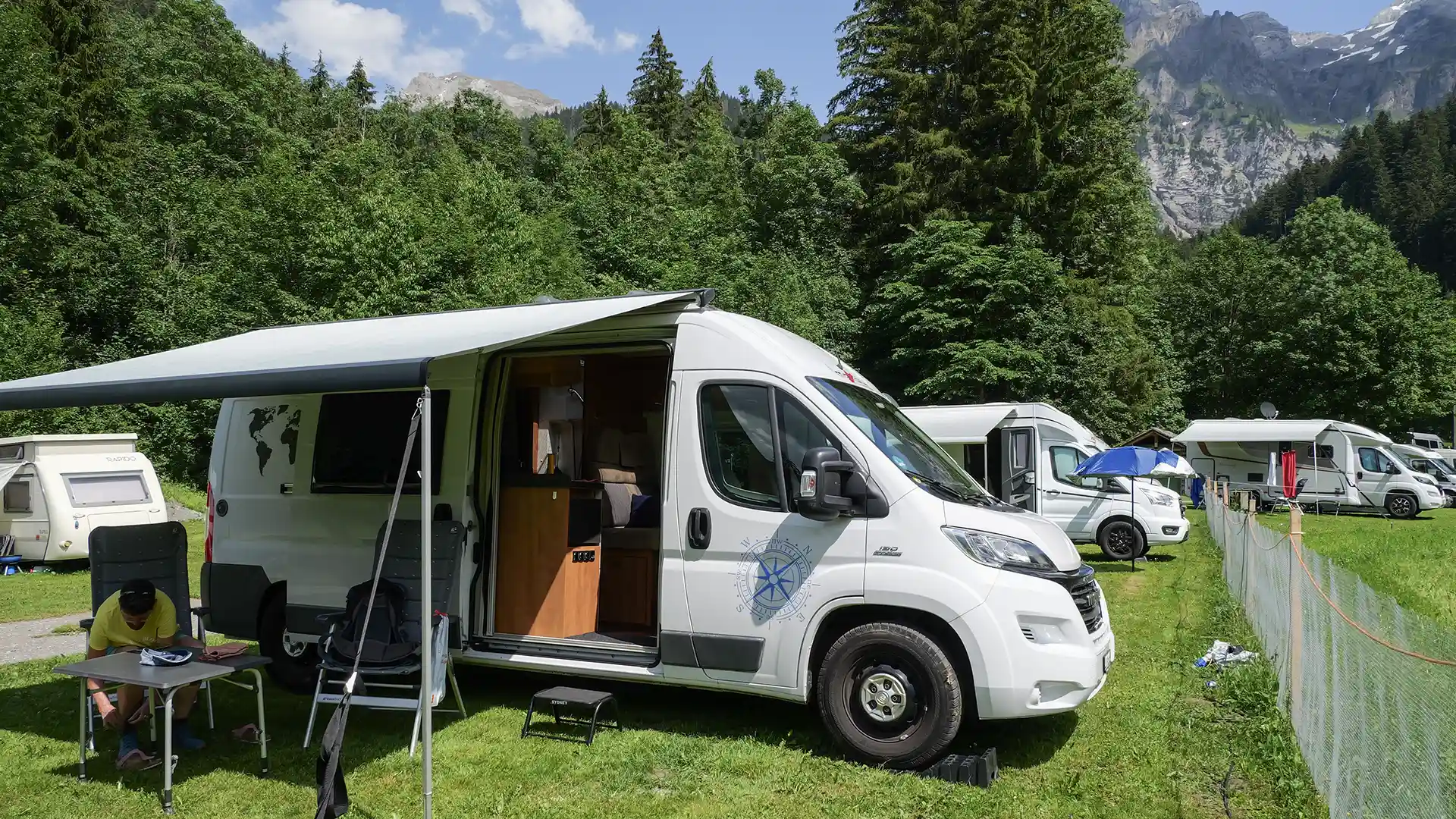
It’s pouring. Forgotten are these summer heatwaves we had until the weather changed 2 days ago. We’re having lunch in the van in the supermarket parking lot, waiting impatiently for the rain to come to an end.
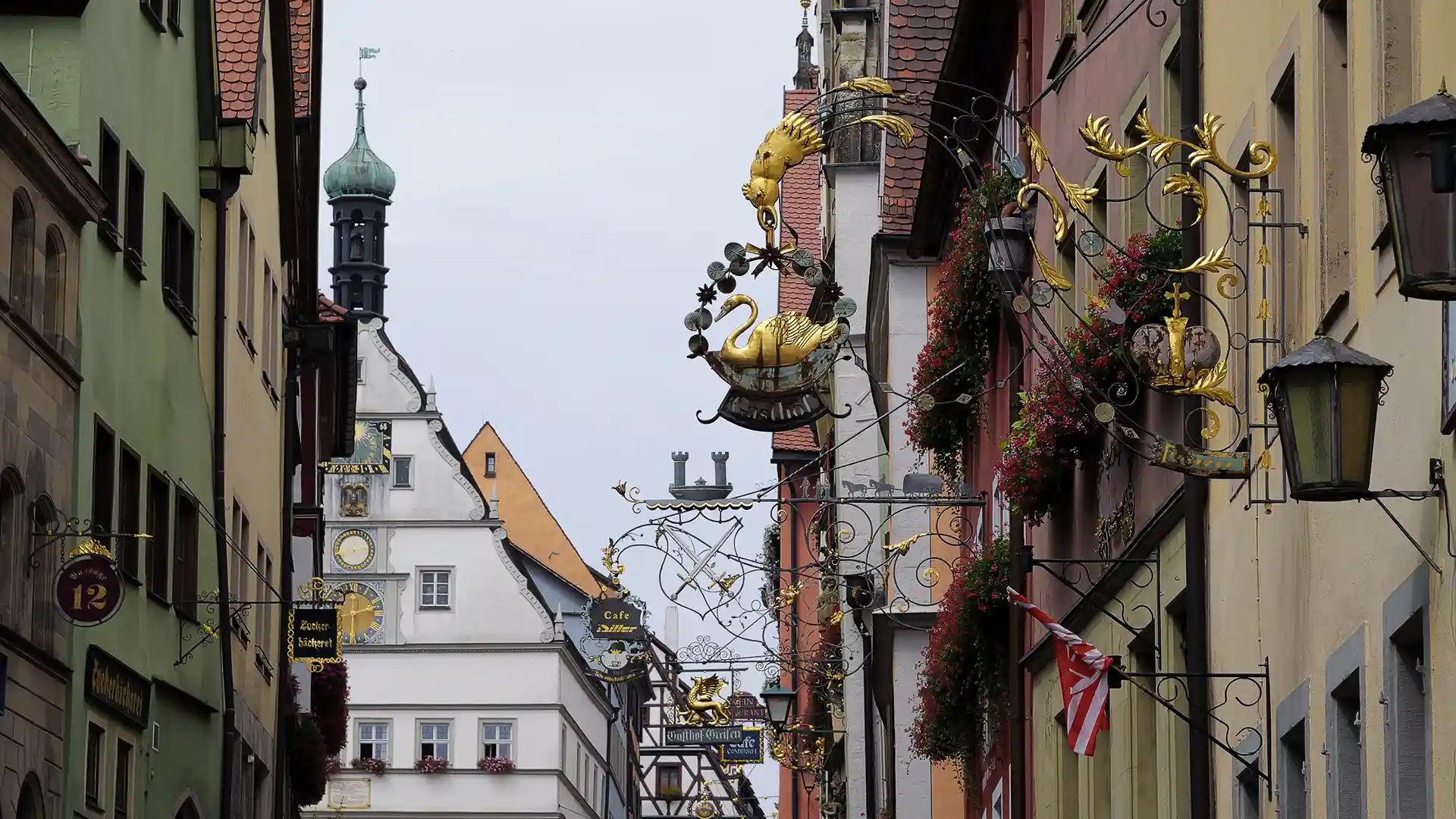
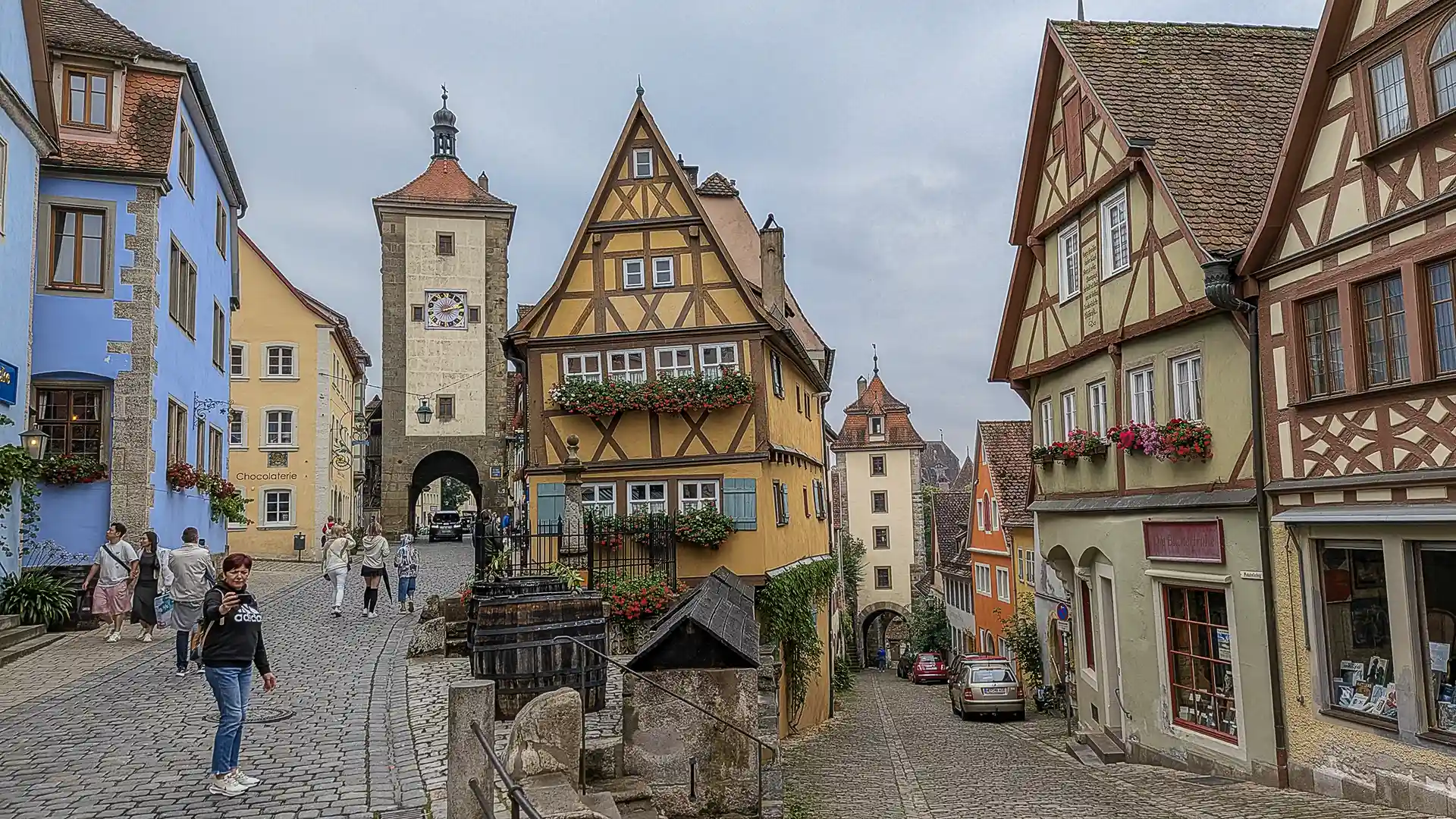
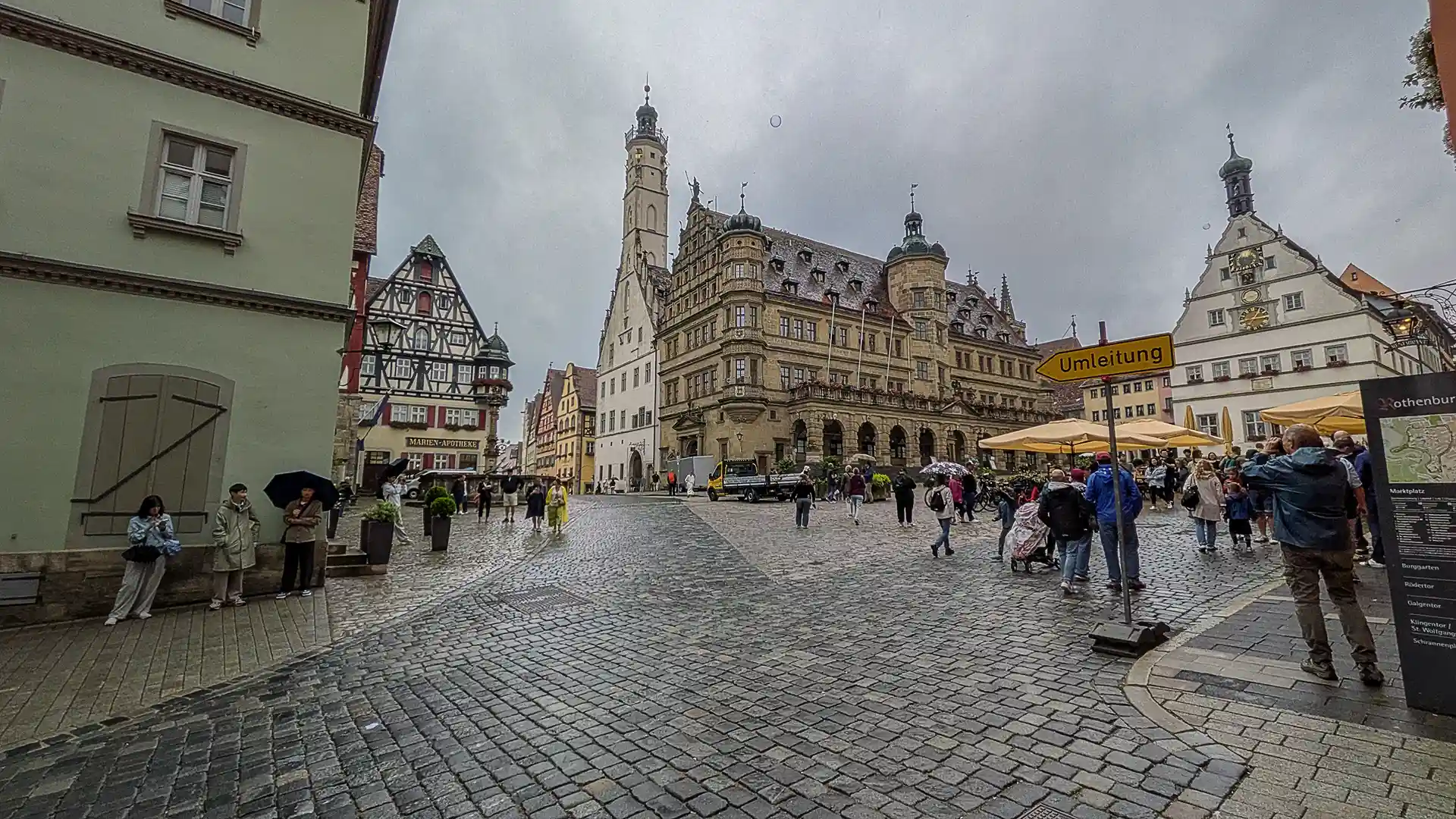
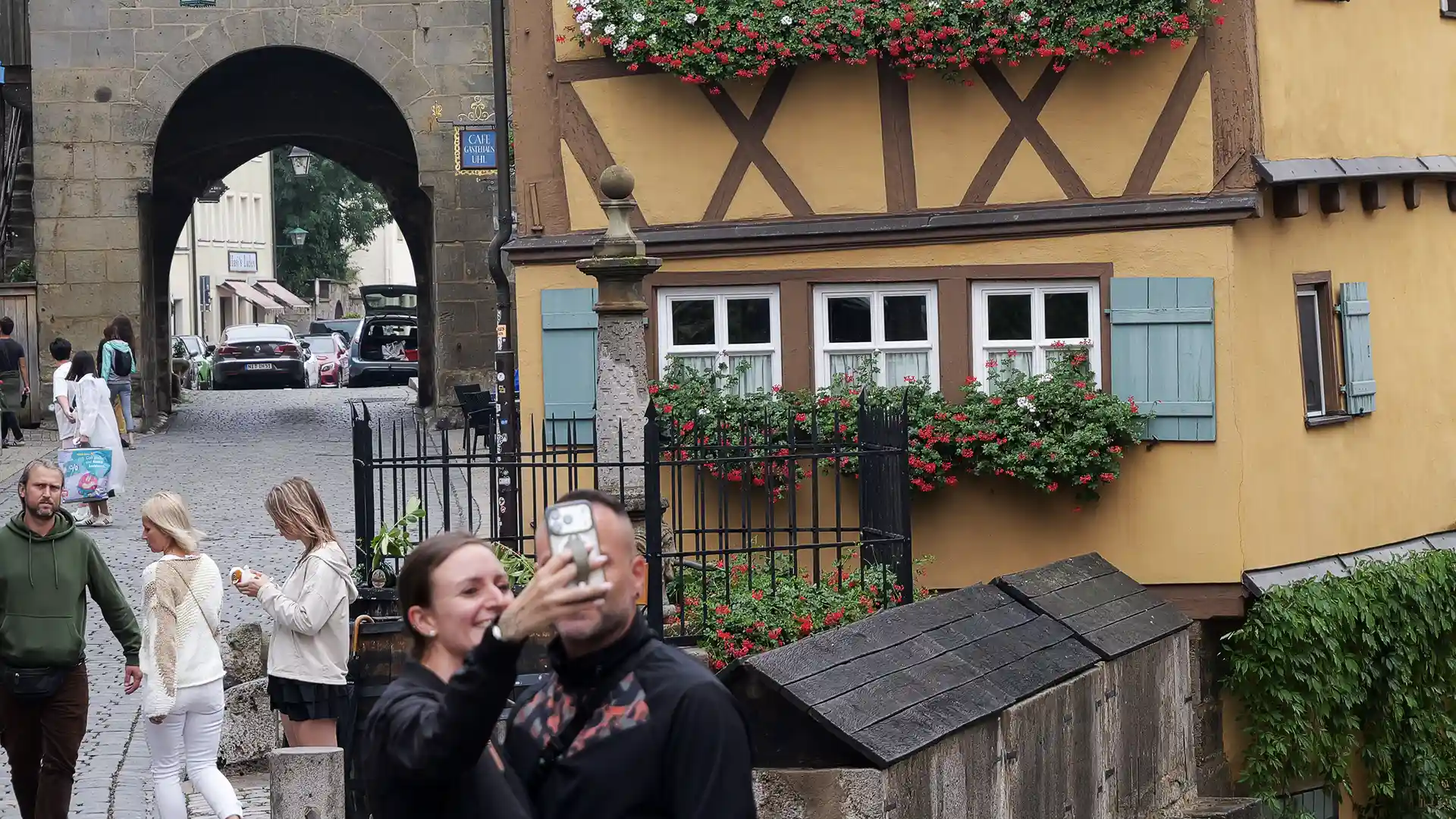
Just another 15 minutes – and we find ourselves in the center of 1 of Bavaria’s most famous tourist hotspots: Rothenburg ob der Tauber. Many people call it the Bavarian Disney World, offering exactly what innocent tourists expect when visiting from all over the world, what they’ve seen about this part of Germany on TikTok or Insta, what they’ve read in their guide books, or what their guides told them. And we’re in the middle of them. Wondering how many golden signboards there are trying to attract the crowds. Astonished by these numerous souvenir shops offering everything from teddy bears to Black Forest cuckoo clocks. It’s true, we’ve been warned about visiting this town – still, we’d like to experience 1 of the best-preserved old towns in the region and to see what Disneyland looks like.
True, they have nice half-timbered houses, well restored, a few definitely over-restored. The alleys are pretty awesome. We have to accept that nearly every house is a tourist accommodation, a souvenir shop, or an eatery. That’s all ok, still it’s partly wonderful, in some places somewhat off-putting. We have to admit we expected more life in the town. More tourists taking selfies, eating overpriced ice cream, or trying to buy some teddy bears. What a shame, maybe the Rothenburgies should visit some towns in China’s Yunnan to learn a bit more about converting a place into Disney World.
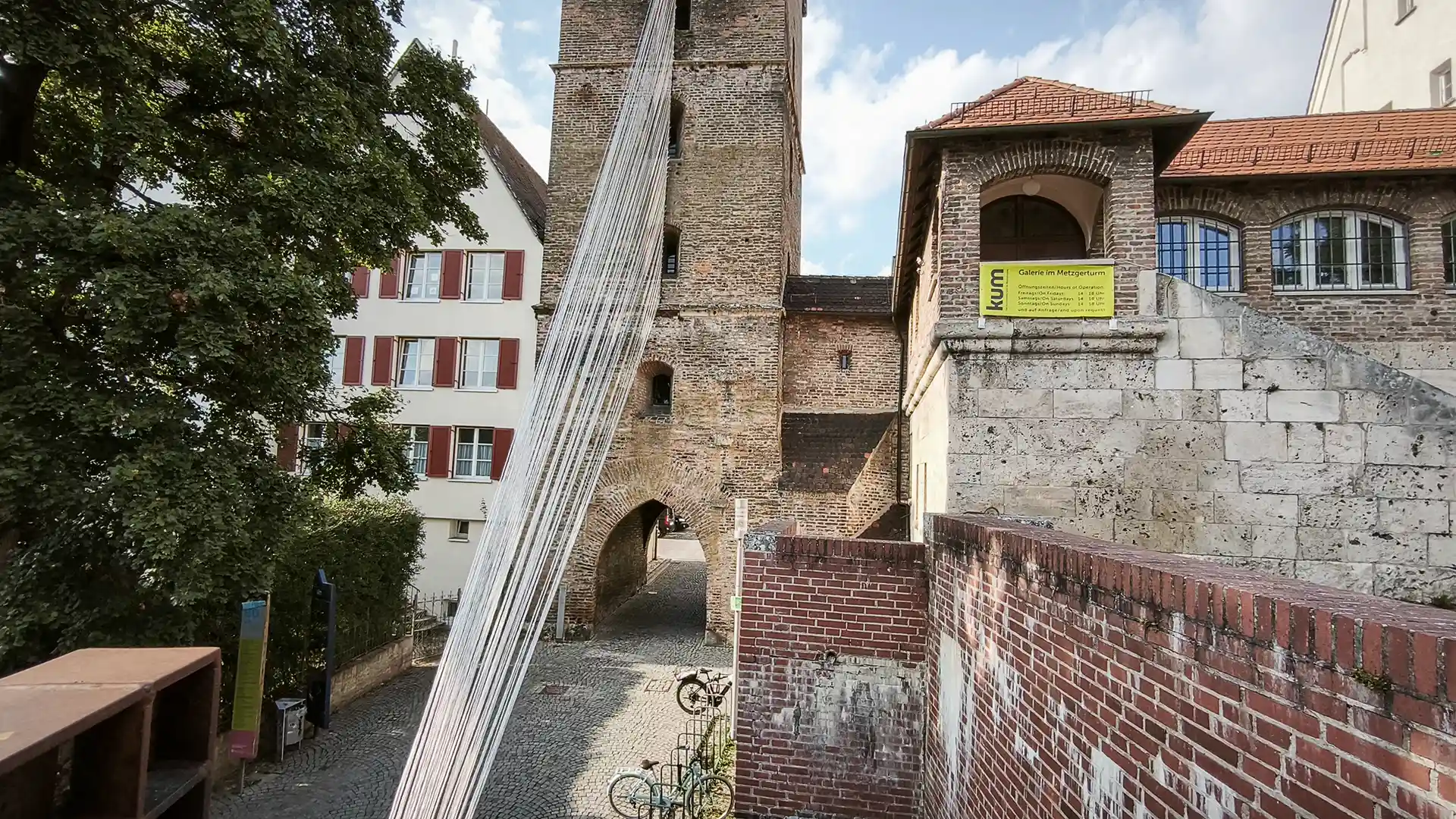
So far, our Bavarian Disney World experience. But let’s go back 2 days, to our starting point in Luzern. We left on a day with really exceptional weather. It was raining the whole way to Ulm. Just raindrops for 4h – something we hadn’t had for the last 4 months. When we arrive in Ulm, the weather quickly clears up, and the sun is back again. Thus, we have all reasons to explore what the town has to offer.
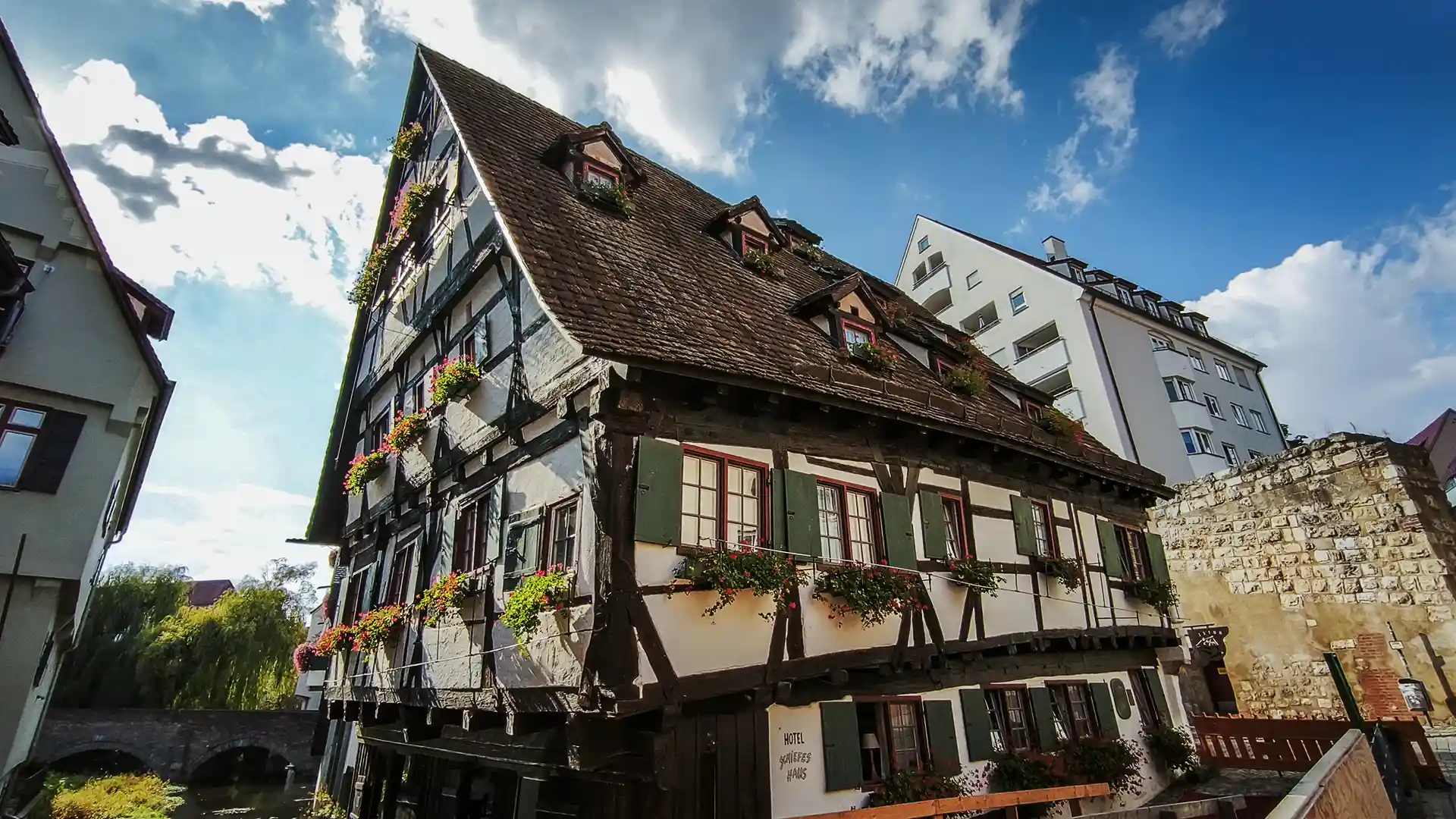
A short walk to the famous Fischerviertel – an area with narrow, winding lanes and half-timbered houses, as Google puts it. Unfortunately, only very few historic buildings survived WW II, or were reconstructed later. Today, cheap constructions of the 50s and 60s dominate.
On to the huge cathedral. The 1 with the world’s highest tower, except the 1 of the Sagrada Familia in Barcelona. Inside, a lot of restoration going on.
Then it’s already time for a sundowner and some bites in a nice beer garden at the river.
On the way back to the van, we even discover a little Ulm life lesson on a mural.
The next morning, we’re on our way to Nürnberg. To see some alternatives to its old town.
Well, it’s just about 2h to reach it, and the nasty campsite doesn’t allow anybody in before 2pm. So, we have to find an interesting place on the road. And what else could it be but Rothenburg on the Tauber – Germany’s Disney World.
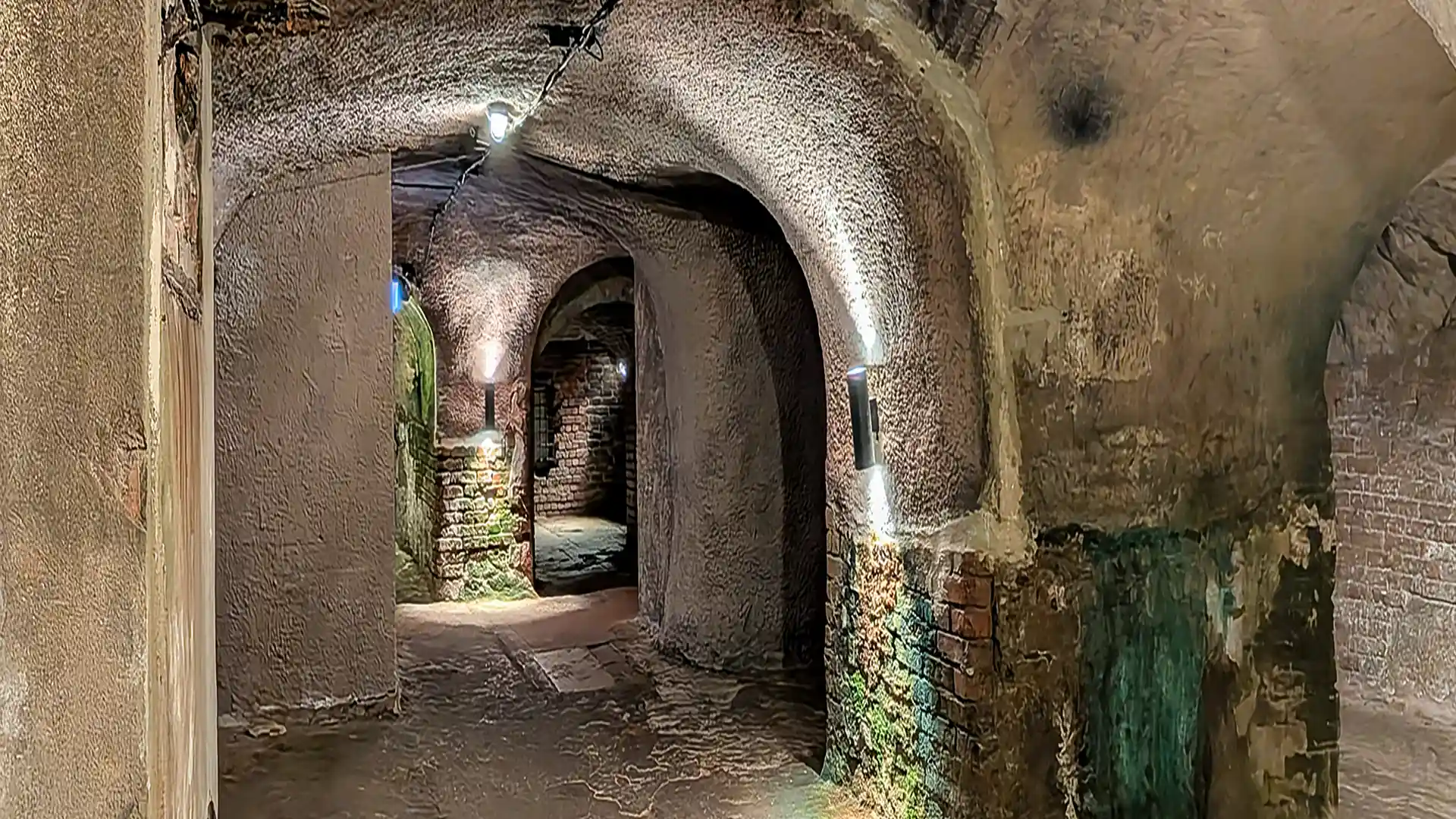
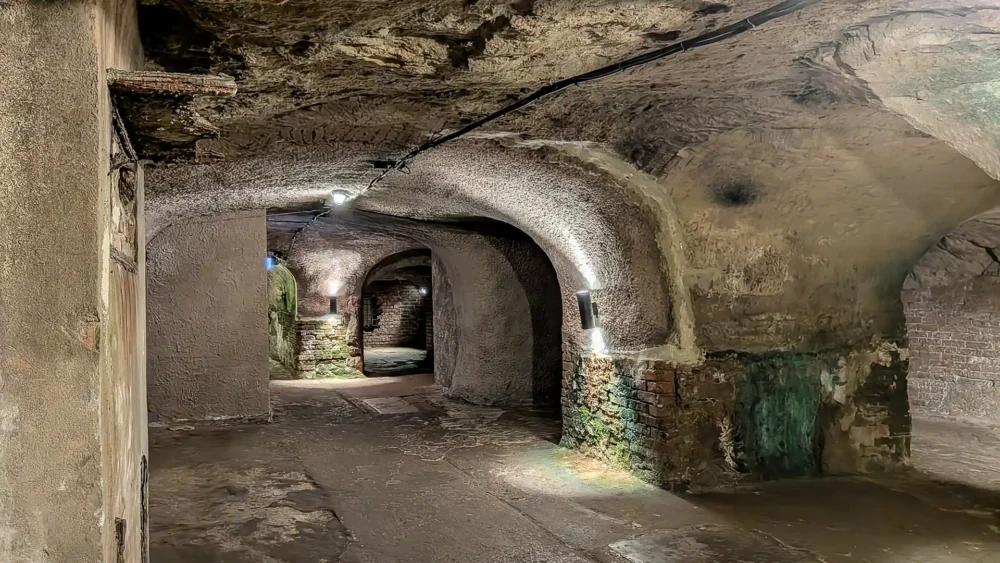
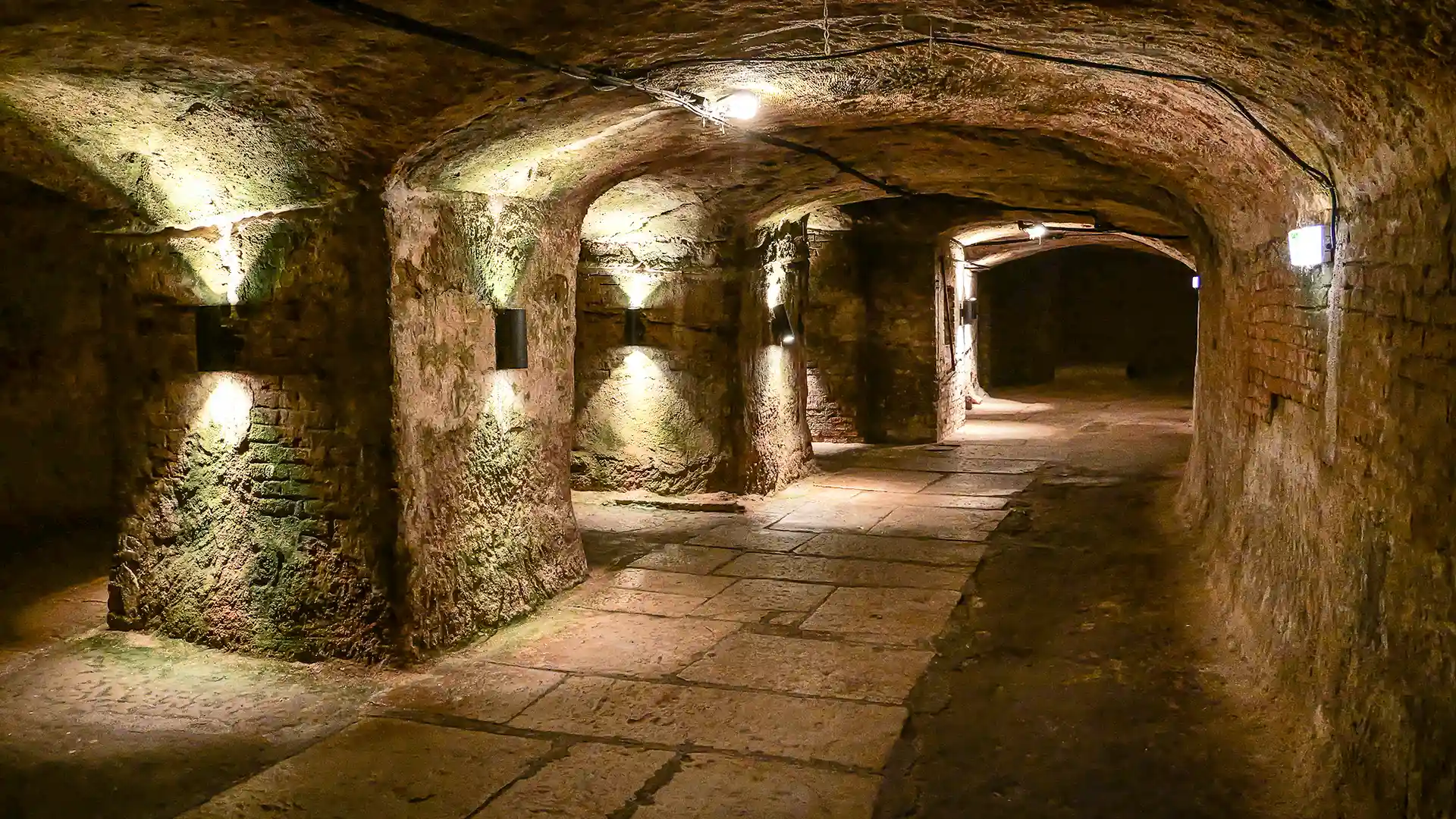
After the babies are weaned off breast milk, they’re immediately introduced to beer. It’s not to keep them happy or sleepy all day long, it’s just about hygiene. In medieval times, when the town had 10 000 inhabitants and the toilets used to be next to the wells, drinking water was 1 of the most dangerous things people could drink. Of course, the alternative was beer. At that time, the main problem was how to keep the ingredients and beer fresh throughout the whole year. Preservatives were unknown, as were fridges. So, the only way was to build huge caverns under the town. Deep into the rocks, where temperature was never more than 8°. And there the whole stock of beer had to be kept in barrels.
Fascinated, we’re listening to the guide’s explanations of life in Nuremberg some 400 years ago. It’s true, you can only visit these caverns that run beneath the entire Old Town with a guided tour. But it’s also an opportunity to understand a bit more about the reasons for such an effort. We step down long, dark stairs, sneak thru endless, even darker corridors until we reach the caverns. Definitely, it’s pretty cold, damp, and a bit musty. Looks like the ideal place to store beer.
Additionally, the cave did not only save the lives of 1000s of babies in medieval times, during WWII, they served as bomb shelters to protect 10.000s of inhabitants.
After an hour, we’re back to Nuremberg Above Ground.
Now, we know: it’s all about beer, and that’s it.
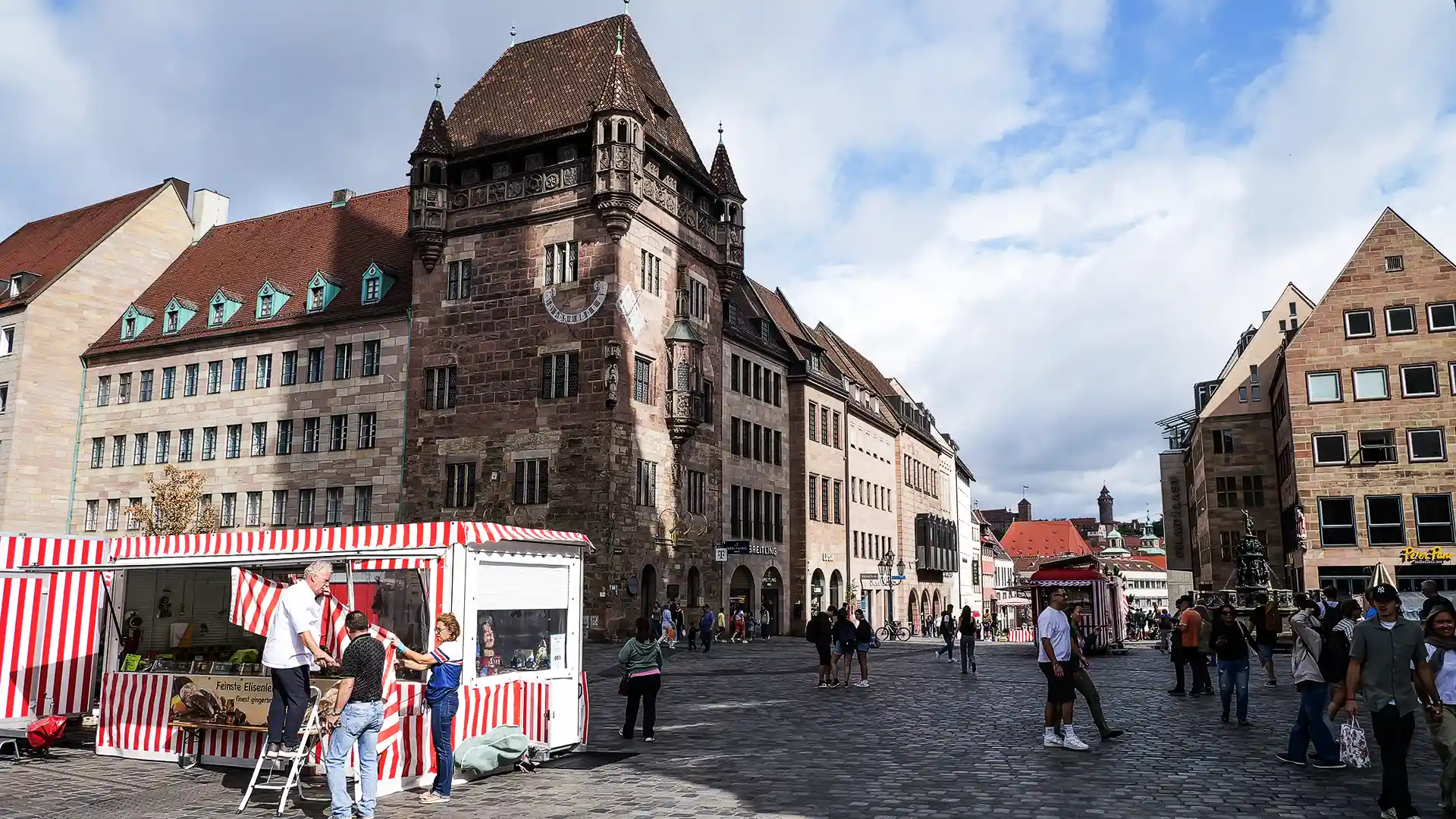
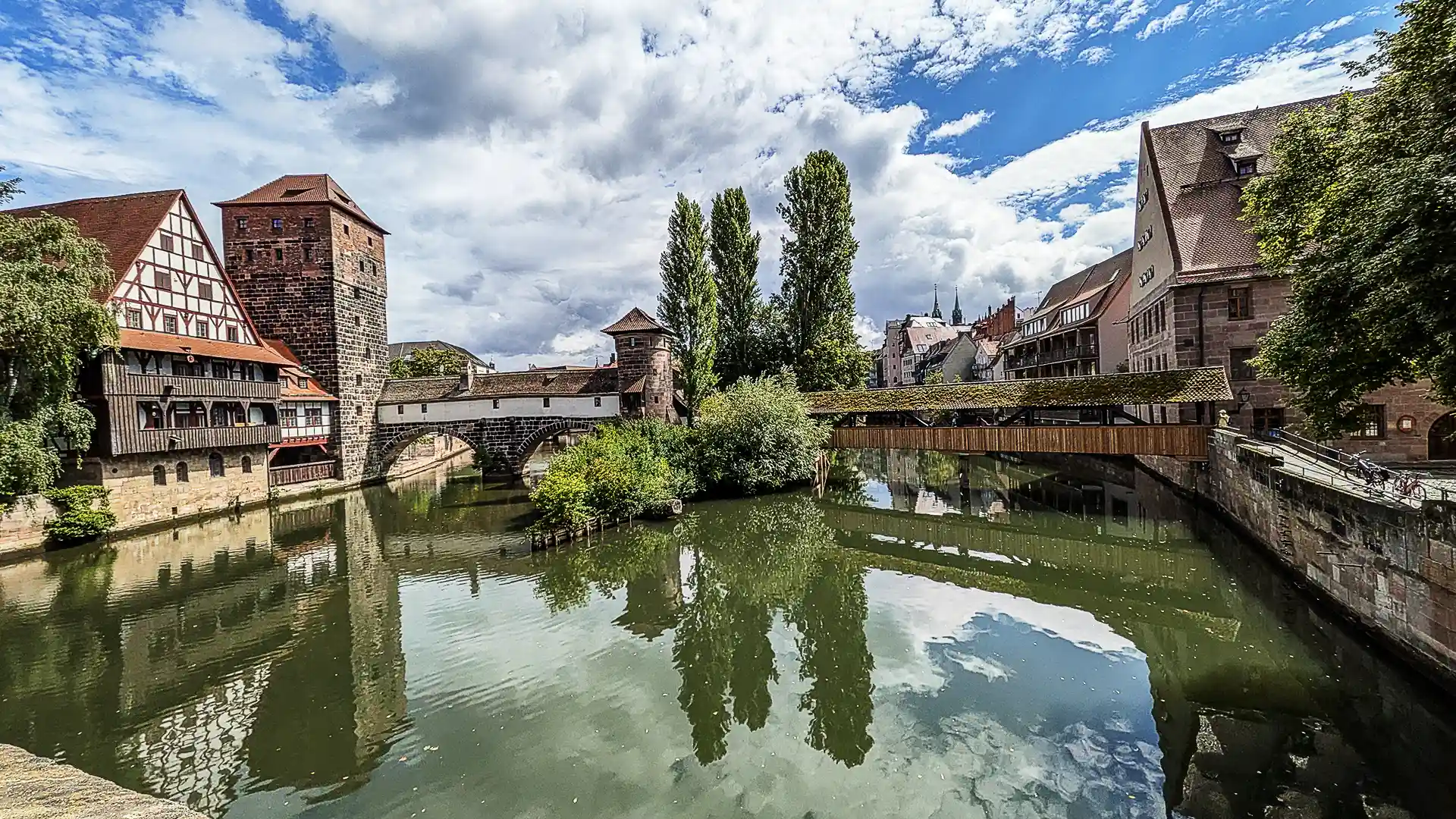
Of course, we sneak a bit thru the old town, have a look at these famous, yet reconstructed historic houses, have a glance at some huge churches, and follow the constant stream of tourists with more or less chatty guides telling them everything they’ll forget in no time.
As you can imagine, after some time admiring beautifully reconstructed houses gets a bit boring. So, we’re heading underground again – but this time, it’s not about beer.
In the middle of the railway station there’s an unassuming door with a strange signboard: Atomic Shelter. We have to see that during our next tour.
We pass a massive blast door, then an airlock, follow a narrow, winding corridor – and we arrive in the shelter. A place that might protect 2048 persons for 2 weeks in case of a nearby atomic explosion. Hundreds of bunk beds stacked 5 high, with narrow passageways between them. A few orange plastic seats. As we learn, there’s space for 682 persons to sleep for 8h. Then the next shift has to get a rest. Nobody can tell us where those 1366 who are awake should remain while they’re not sleeping. There’s not really space for them. On to the bathrooms, kitchen (only equipped to warm up some instant soup), the tiny room to solve some eventual psychological problems, and all the filters which should decontaminate the air – even if they’ve never been tested.
After an hour, we’re back at the railway station with more questions than answers. We still have no idea where these 2048 persons should go to after the 2 weeks in the shelter.
But maybe that’s not even the question because nobody knows if the bunker could resist an atomic explosion.
Whatever, a short train ride followed by a long walk to the van. Time for a beer and some other ideas.
We’ve seen Nuremberg. It’s time to move on, eastwards towards Poland, if we still want to visit the Baltics before it gets too cold. We’re on the highway to the former East German states, to Pirna in Saxony. After an hour, nothing moves anymore. Google knows there’s an accident. 2 h later, we finally move on and find the reason for the blockage – a truck distributed 1000s of bottles of wine all over the highway. Of course, all of them are broken. An incredible waste.
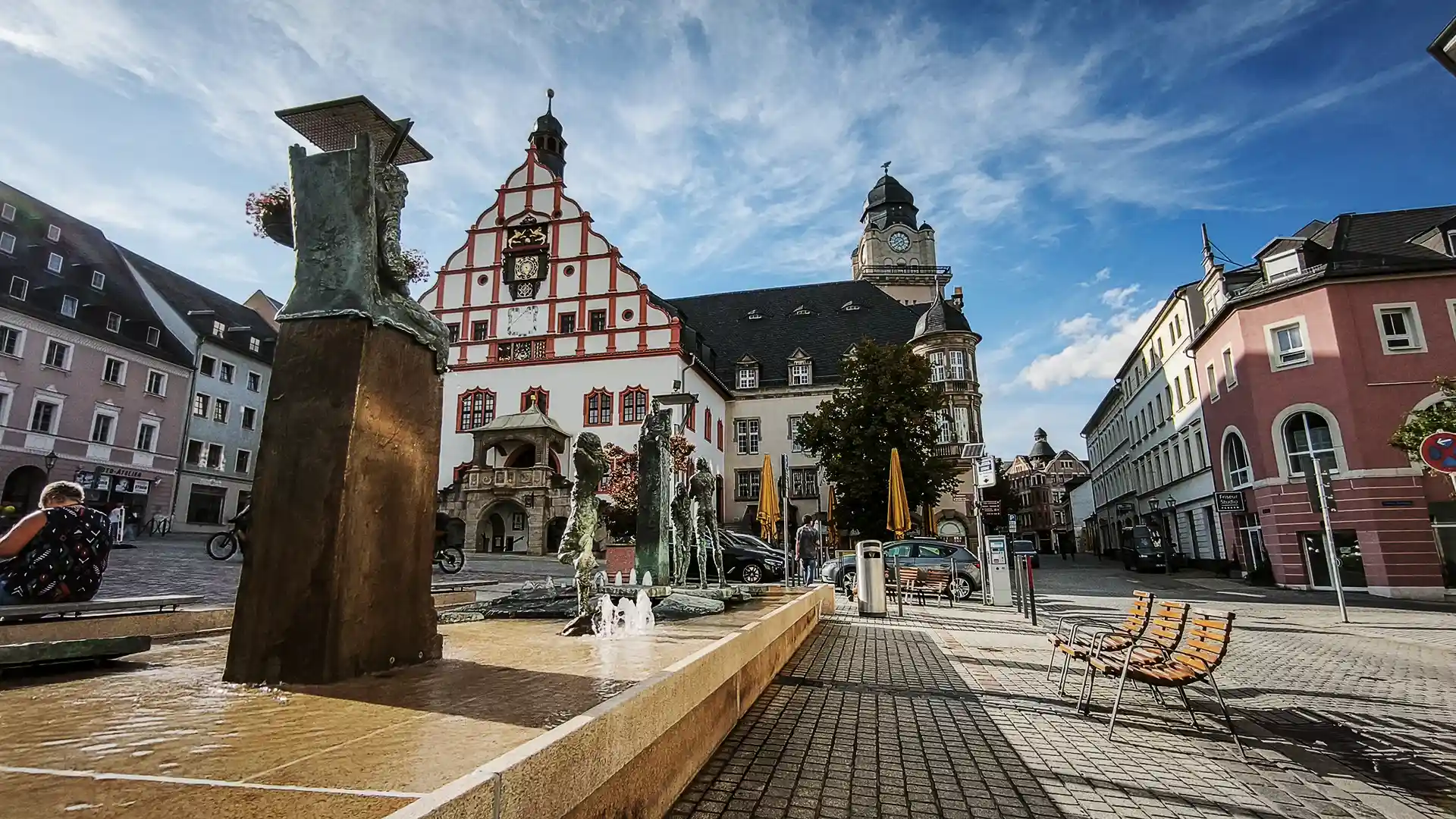
We’re definitely too late to reach Pirna. So, we stop at a campervan parking spot in the small town of Plauen. A nice old town, still with many signs of its real-socialist past, and a cool eatery that would be difficult to imagine in any other place.
The next day, we finally reach Pirna. Another old town to visit, somehow with a slightly weird feeling. Maybe it’s just imagination because of the strange political tendencies of its inhabitants.
Finally, the highlight of the day: the dinner. We’re sitting in a really old-fashioned room, dark wood, knickknacks everywhere, and what a background music: Deutsche Schlager from the 60s. That’s the environment for some East German delicacies: German pot roast with potato dumplings (Sauerbraten mit Klößen). Where else can you experience that?
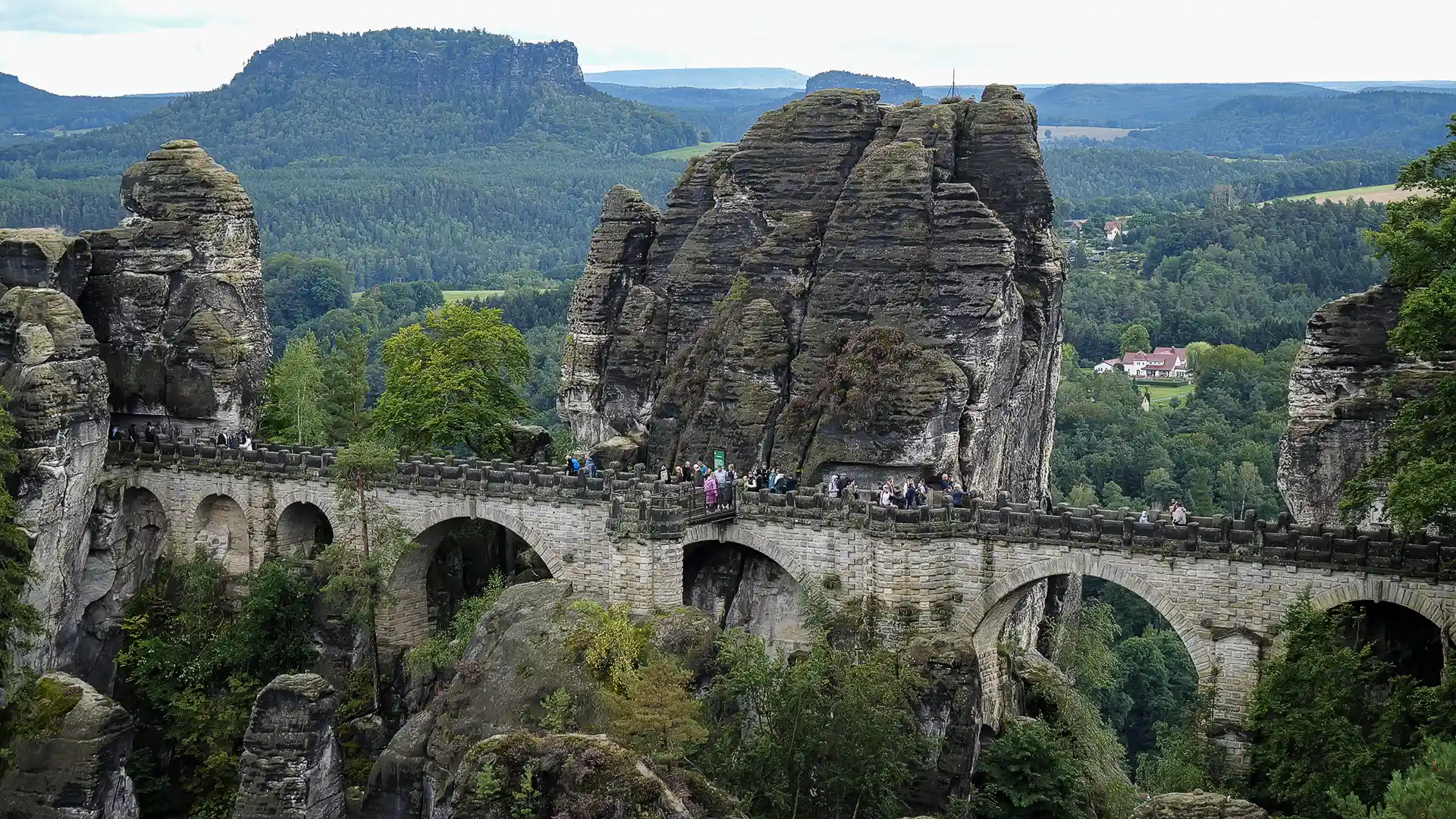
Anyway, it’s a good preparation for the next day’s adventure – Germany’s ultimate tourist hotspot. South of Dresden, not far from the Czech border. A rock formation called Bastei. A place that receives some 5 million tourists a year.
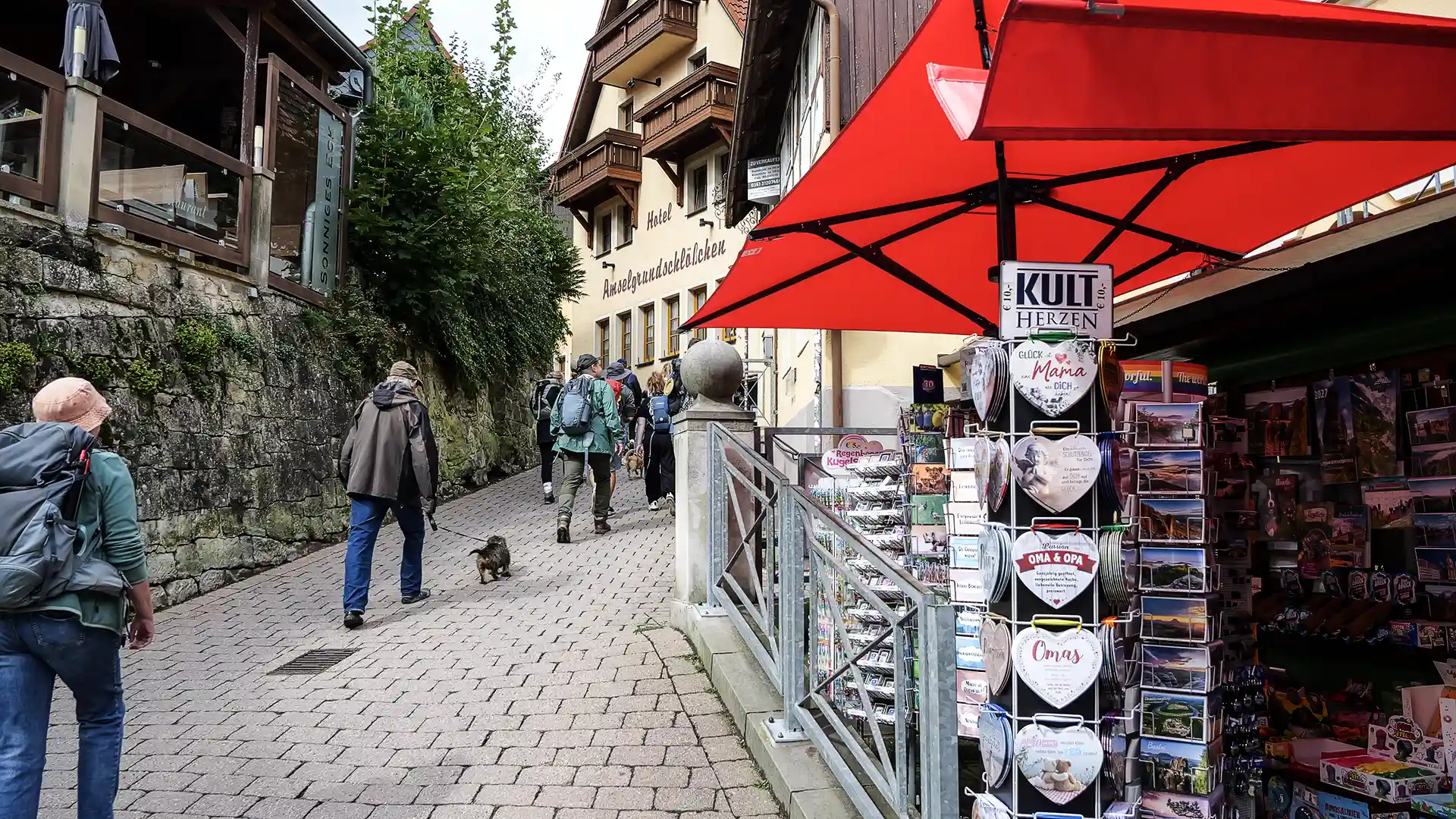
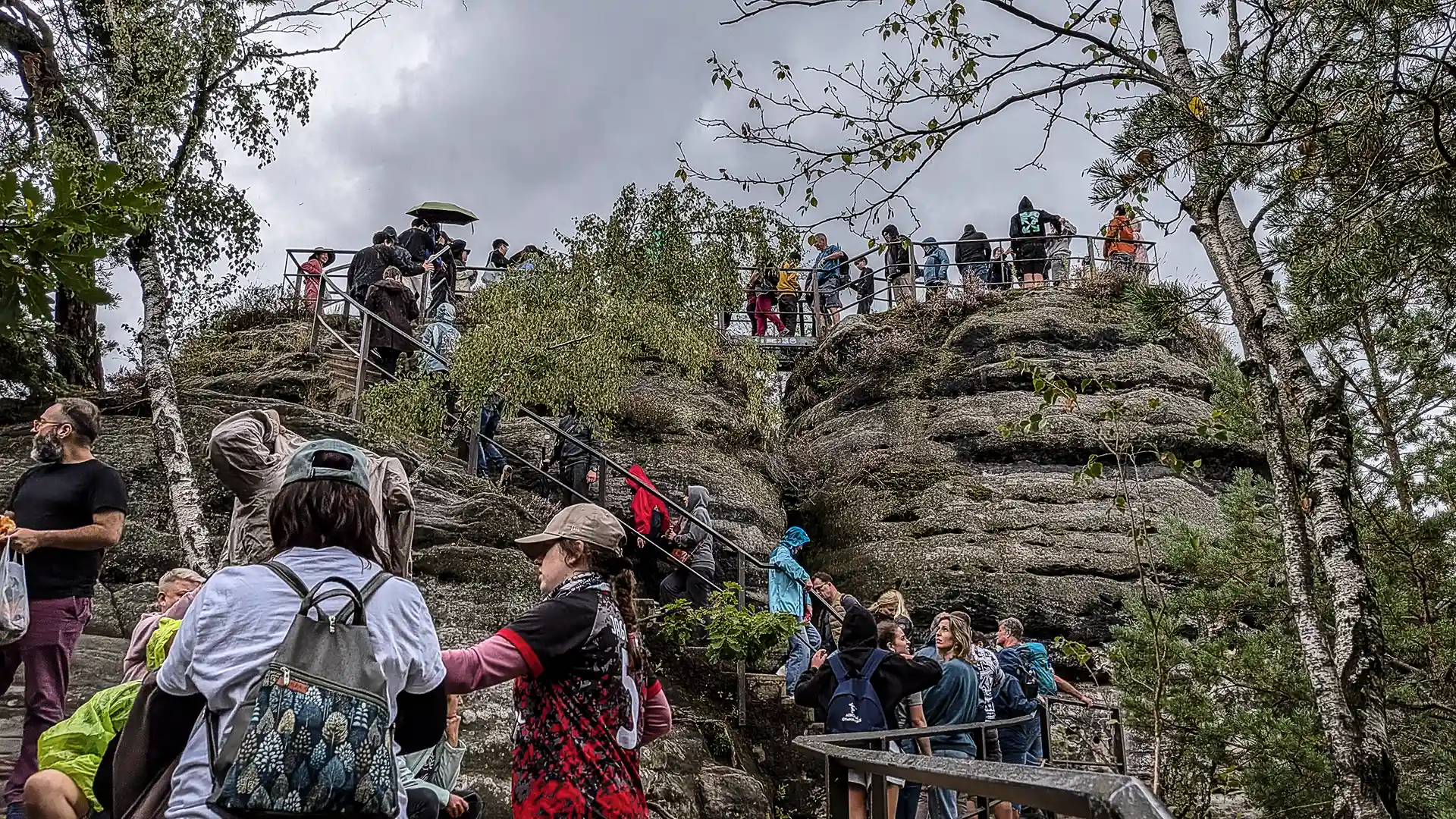
We walk up the cobblestone stairs to the rocks, trying hard not to bump into the very intense oncoming traffic – 100s of Czech tourists, all with their audio guides around their necks, carefully avoiding the puddles to keep their snow-white sneakers clean.
We don’t get discouraged; together with some fellow visitors, we try to reach the heights, to get to these famous viewpoints high above the valley with the river Elbe far down. To have a glimpse at these rocks, to sneak thru the narrow rock gorges, and to enjoy the dizzying heights where they constructed a pedestrian bridge.
Sometimes it’s not easy to see it all; at the famous photospots, we wait patiently until everybody has a pic of their beloved ones with an incredible background. Sometimes there’s a severe traffic jam, normally when a group of Asian tourists has to get all their selfies for Insta, or an influencer is making the world’s best clip for the ultimate way to instantly get a Mar-a-Lago face.
Still, we make it through, and after more than an hour, we reach the huge hotel at the top of the Bastei. The place where bus loads of these tourists start their hike thru the rock formations, downhill. Yeah, you have to see it to believe it. For us, it’s an experience not to be missed. And by the way, the place is really beautiful, just block out all these tourists.
Dear readers,
that’s it for now. Please wait impatiently for the next post. Coming soon. Promise.
Cheeeers
Monika’n’Martin