

Beyond Our Cars
Backpacking Never Gets Old
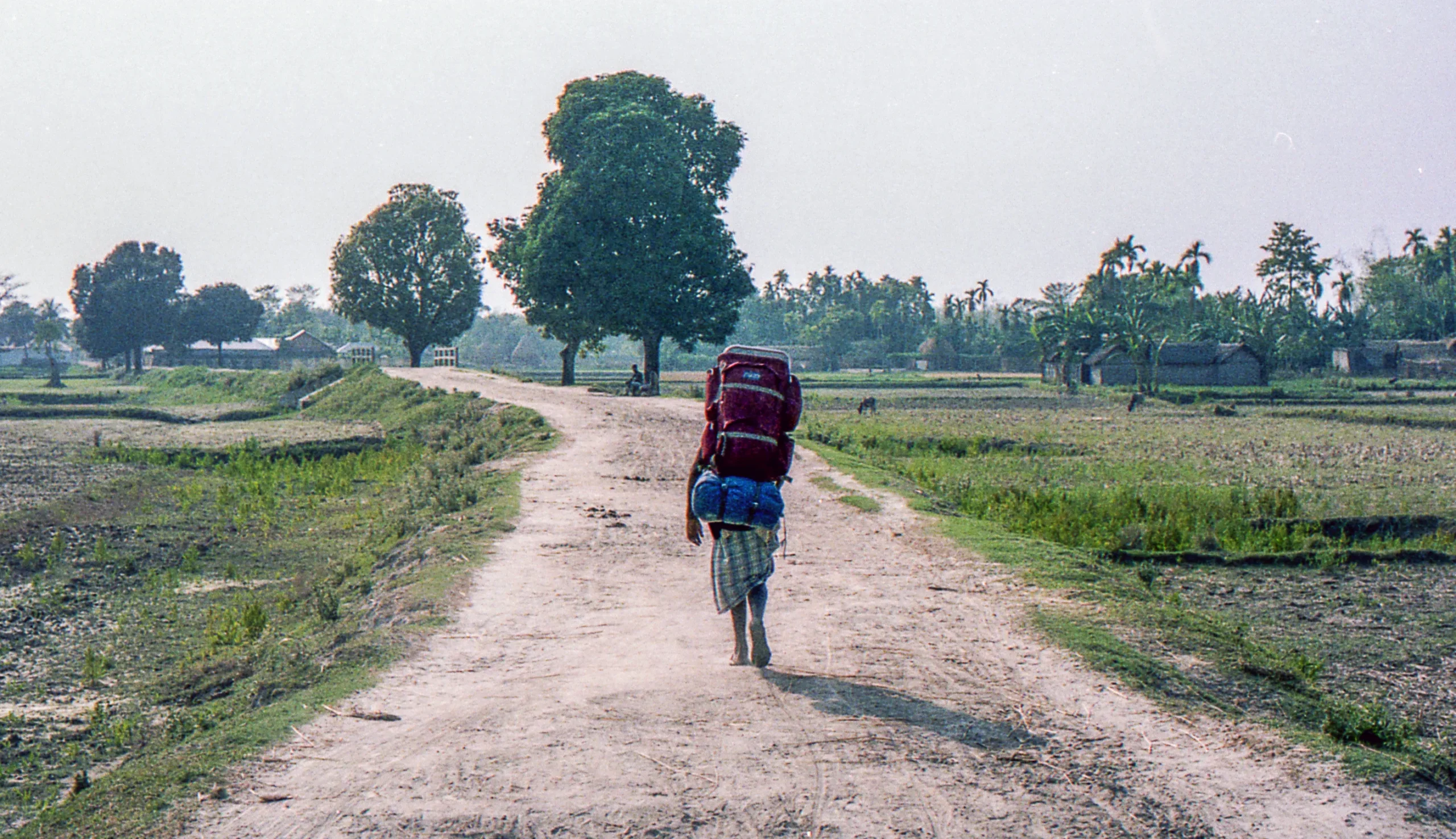
The sweltering heat weighs heavily on us. So do the backpacks. We´re following the narrow, rutted buffalo-cart track thru the harvested paddy fields. The village shimmers somewhere on the horizon, still looking frustratingly far away. Nothing helps. We have to push on – if not, we’ll miss the train to Saidpur sometime in the afternoon.
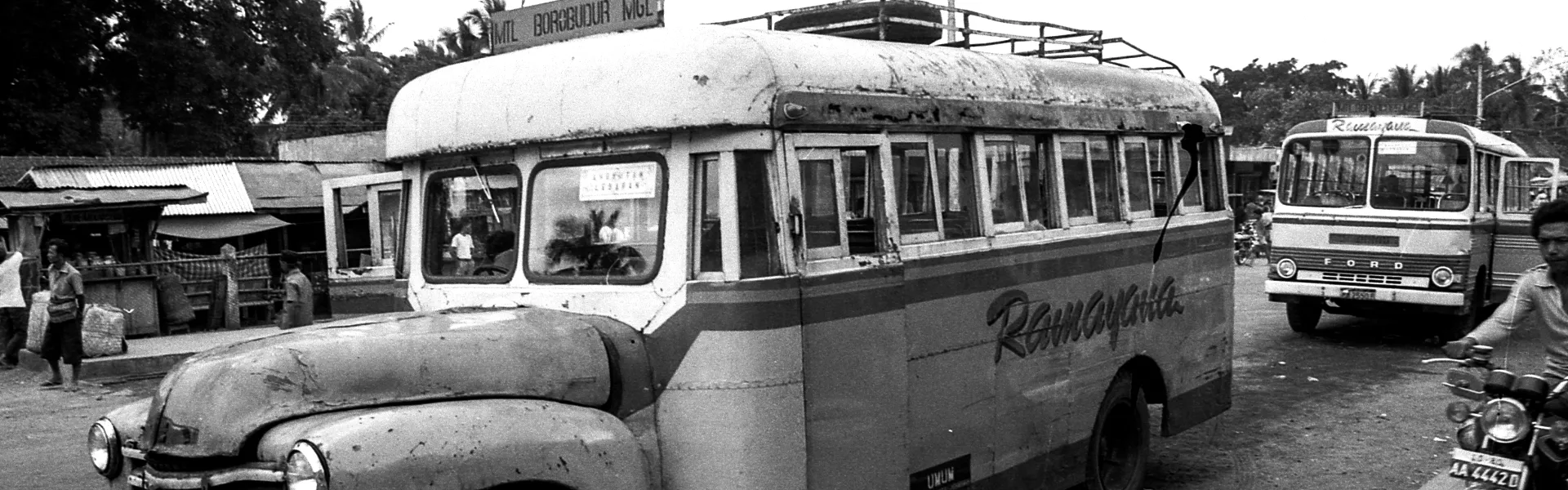
Early this morning we left the small Indian town of Jalpaiguri. A battered bus brought us to Haldibari. Immigration was surprisingly quick. Then a bicycle rickshaw carried us another 10 km to the Bangladesh border. From there it’s another 5 or 6 km on foot to Chilahati.
Monika quickly found someone willing to carry her backpack for a few rupees. Martin was on his own.
On the way, a uniformed officer awaits us – immigration on duty. All runs smoothly, except for his unusual demand to show him all the dollars we have with us. A slightly unsettling request – but somehow we manage it without any problems.
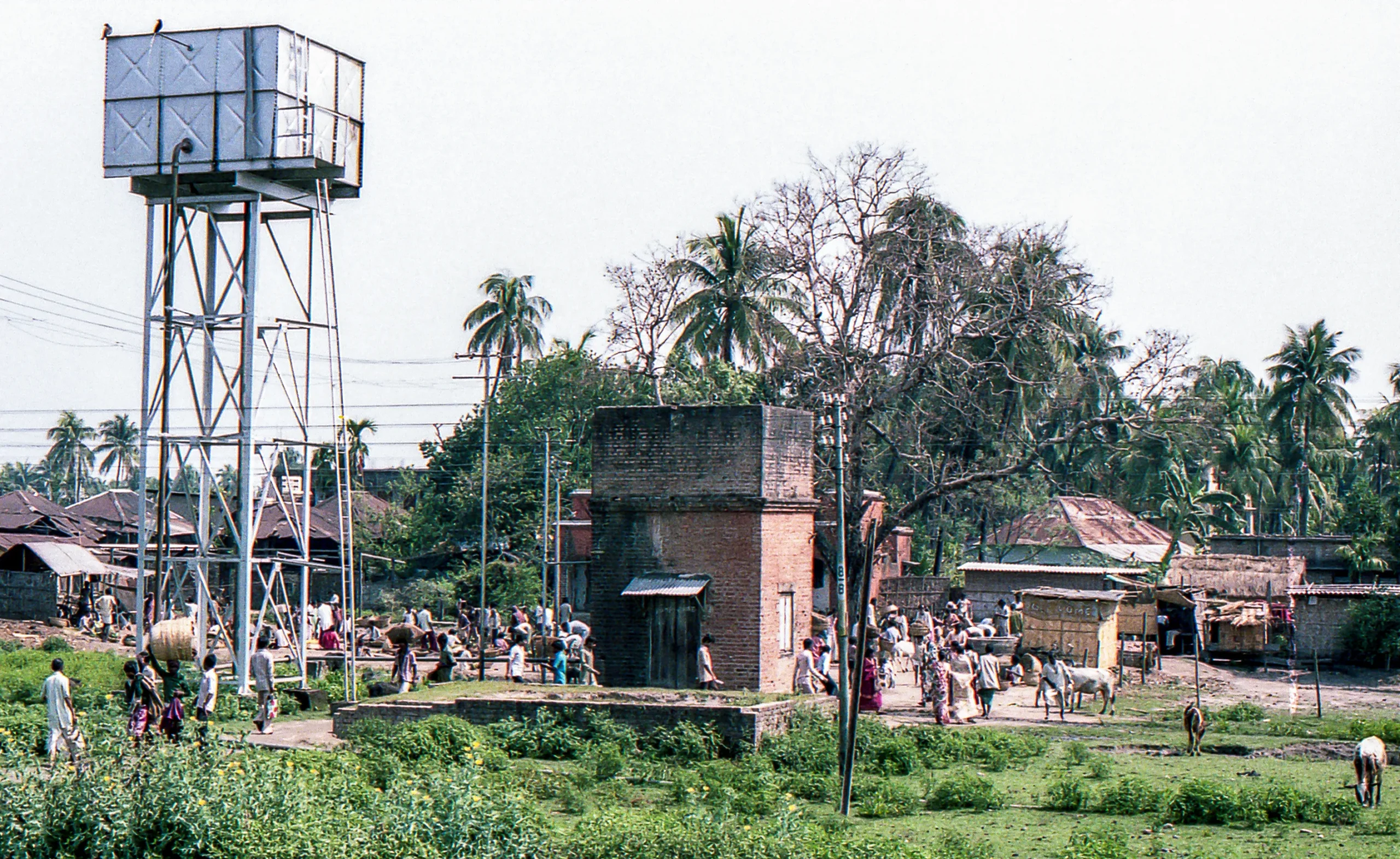
2h after we left Haldibari, we finally reach Chilahati railway station, completely overheated and desperately thirsty. Immediately we head to one of the hand driven pumps to fill our bottles with yellowish water and add a chloride tab. Now we have to wait an hour.
After a three-hour ride on the train, we finally arrive in Saidpur and go to one of the miserablest sleeperies we’ve ever had – but we managed our way to Bangladesh.
The next morning, we learn there has been a coup against Bangladesh elected president. Now, General Ershad is the strong man. And a strict curfew has been imposed – but that’s another story.
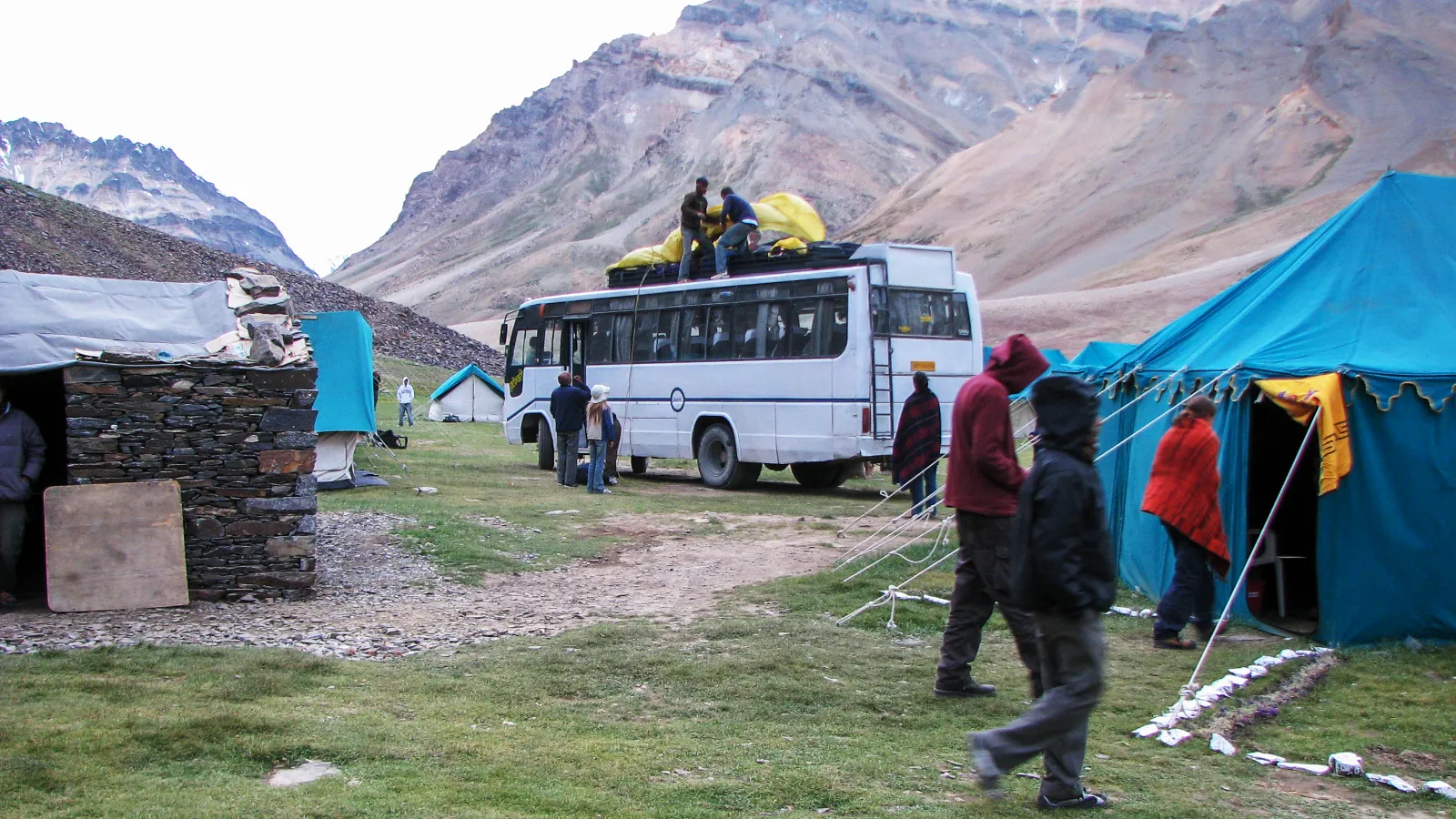
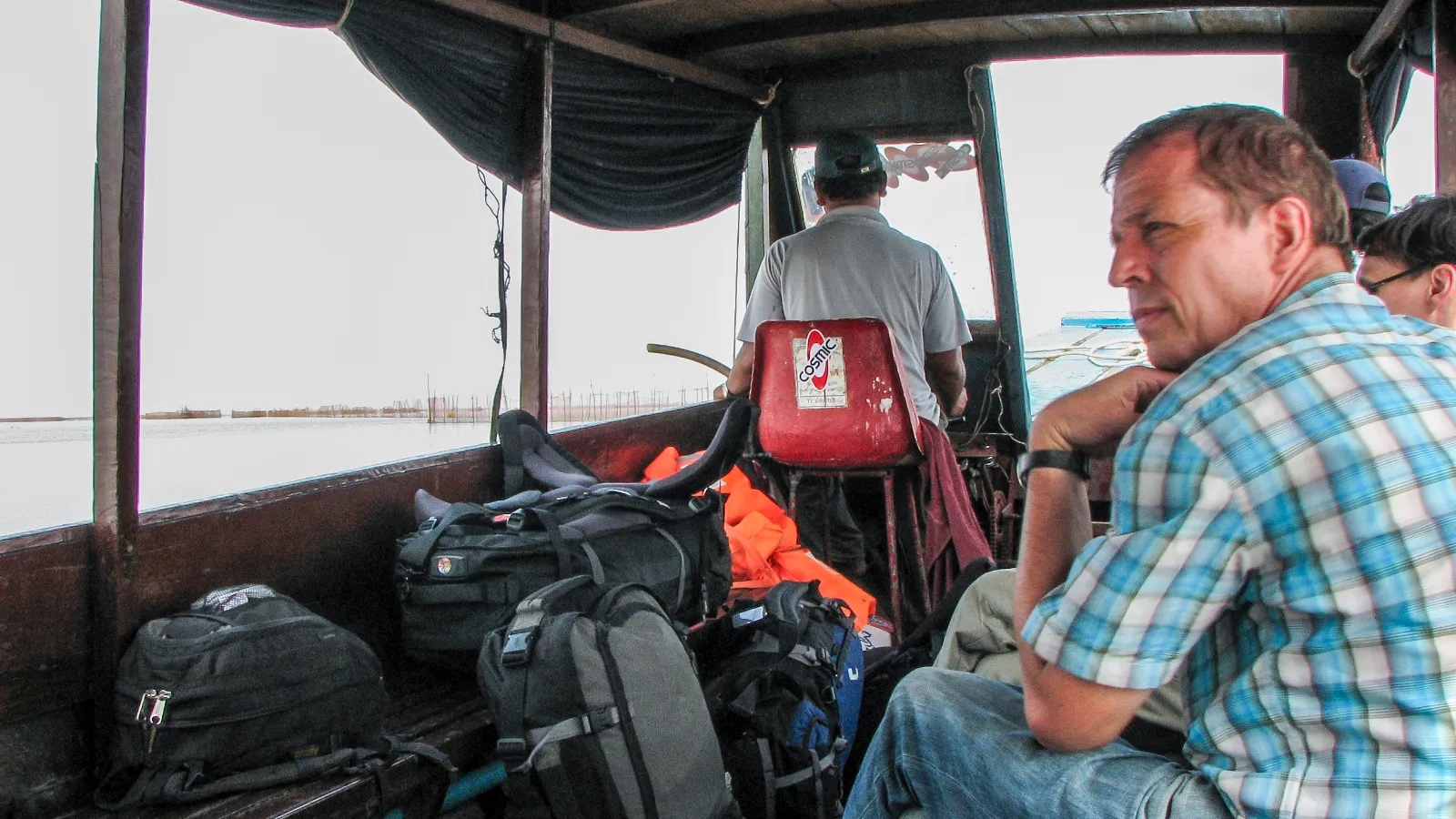
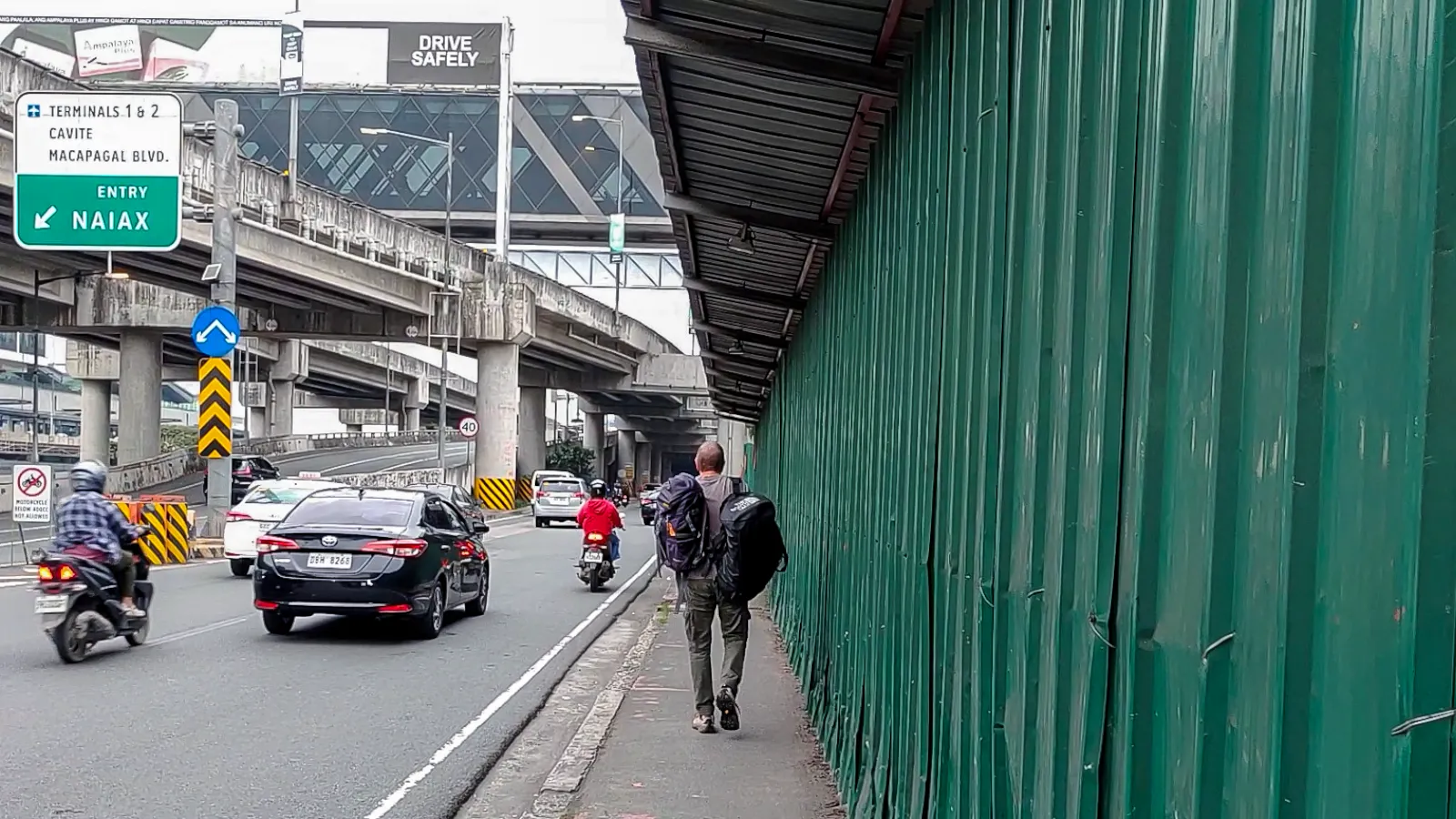
That was one of many adventures from our backpacking days. We still travel that way from time to time, although things have changed a little over the years.
Huge backpacks gradually became much smaller duffel bags. Public transport often gave way to rental cars. But the curiosity to explore never changed.
Adventure Car Rental
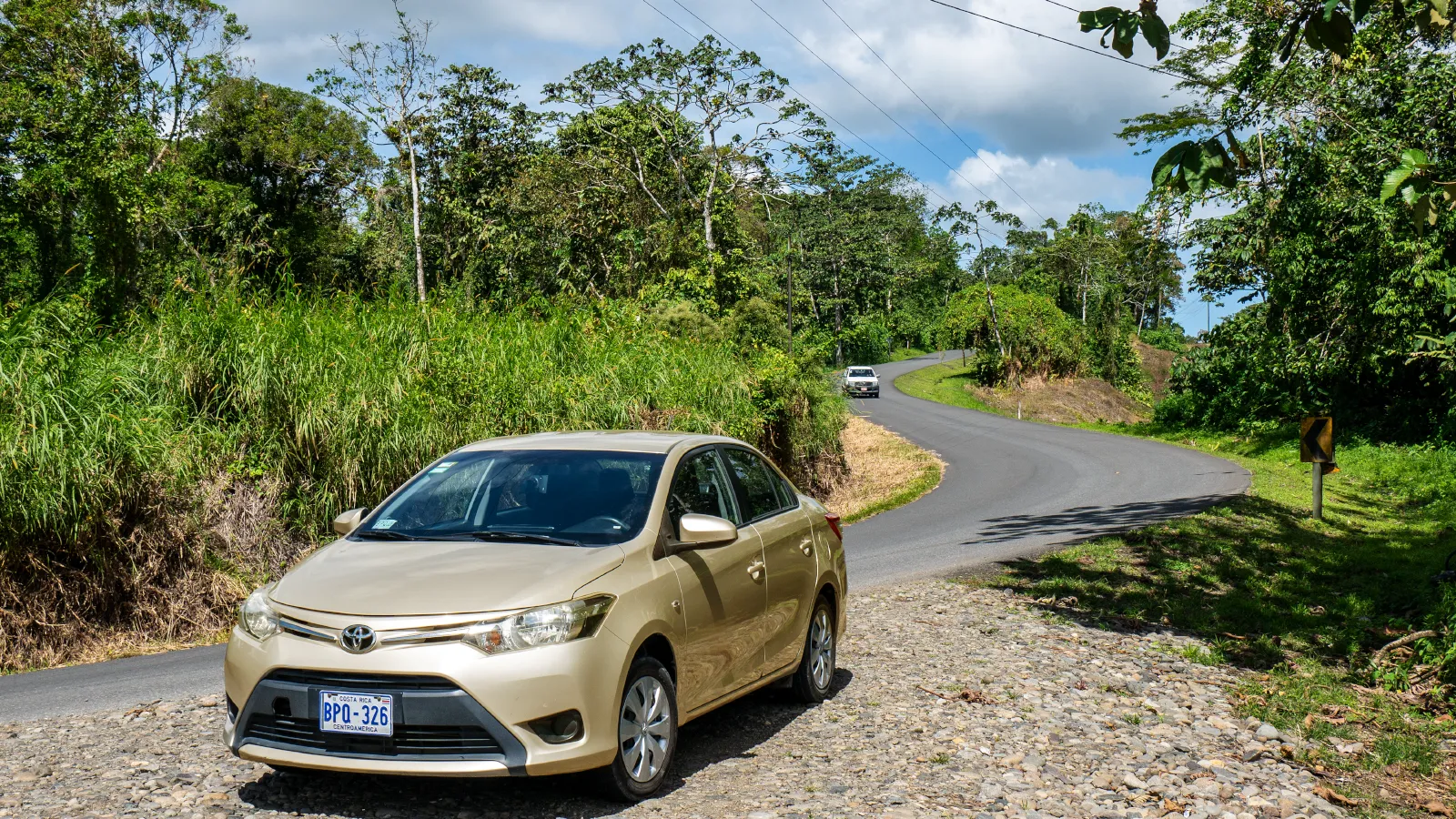
You just need to sign, and the little red car outside is yours for the next month. To avoid any surprises later, we photograph every scratch before leaving, so we’re aware of all damages it may have. If needed, you may take your own ones. He rattles off everything in less than 5 minutes. Chinese efficiency at its best.
Outside waits a shiny red Suzuki. At least that’s what we thought. As usual we take a video, inside and outside. Up close, we realize almost every panel is covered in scratches. Everywhere, small, deep scratches, the metal already rusty. What has happened to this car? Has someone cleaned it with a wire brush? Back to office – just to learn that the company can’t know how their clients treat the car. Anyway, we all have pictures, so there’s no reason to be concerned.
We head off, but a slightly concerned feeling remains. We know, New Zealand´s car rentals are extremely fussy about the smallest damage to their cars – and ours is a masterpiece of a completely damaged body. But this tiny Suzuki performs well, and we even start to like it despite its deficiencies. Like many memorable rental cars before, he quickly earns a name: Rusty.
After our trip thru South Island, we’re again at the desk with a Chinese employee checking everything. Of course, we’re a bit anxious and unsettled. Then the inspection of Rusty – outside and inside. What will happen now? Will we have a long dispute with the employee? Will he make unwarranted demands? Finally, he nods, smiles, thanks us for cleaning the car so well – and that’s it. They have their own photos.
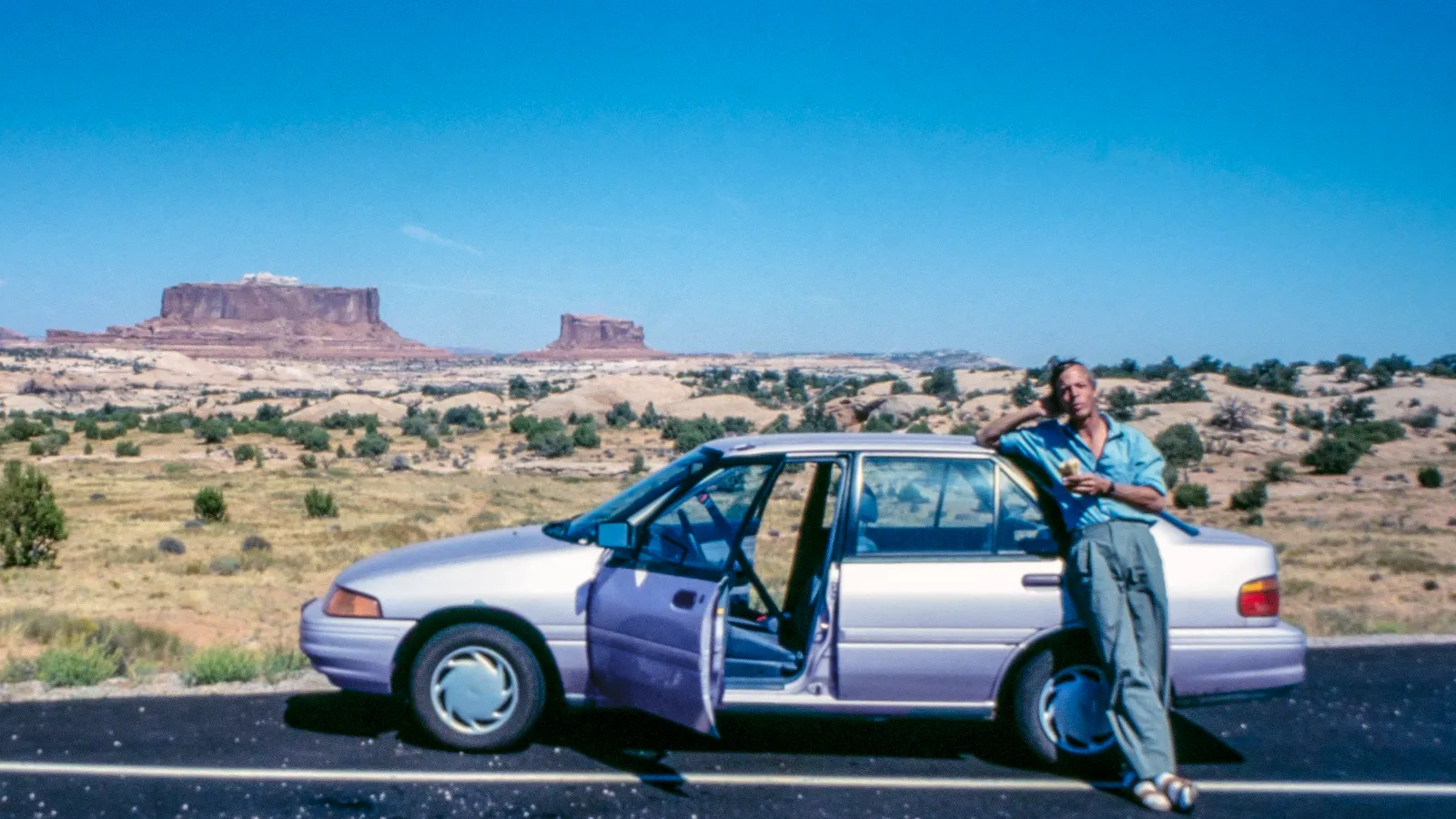
We’ve rented plenty of cars over the years. Most have long since been forgotten. But a few, simply because they were so special, come with a name – and a story.
Where There Is No Road
Not every journey begins on a road. Some start with a ferry ticket – and a bag full of beer.
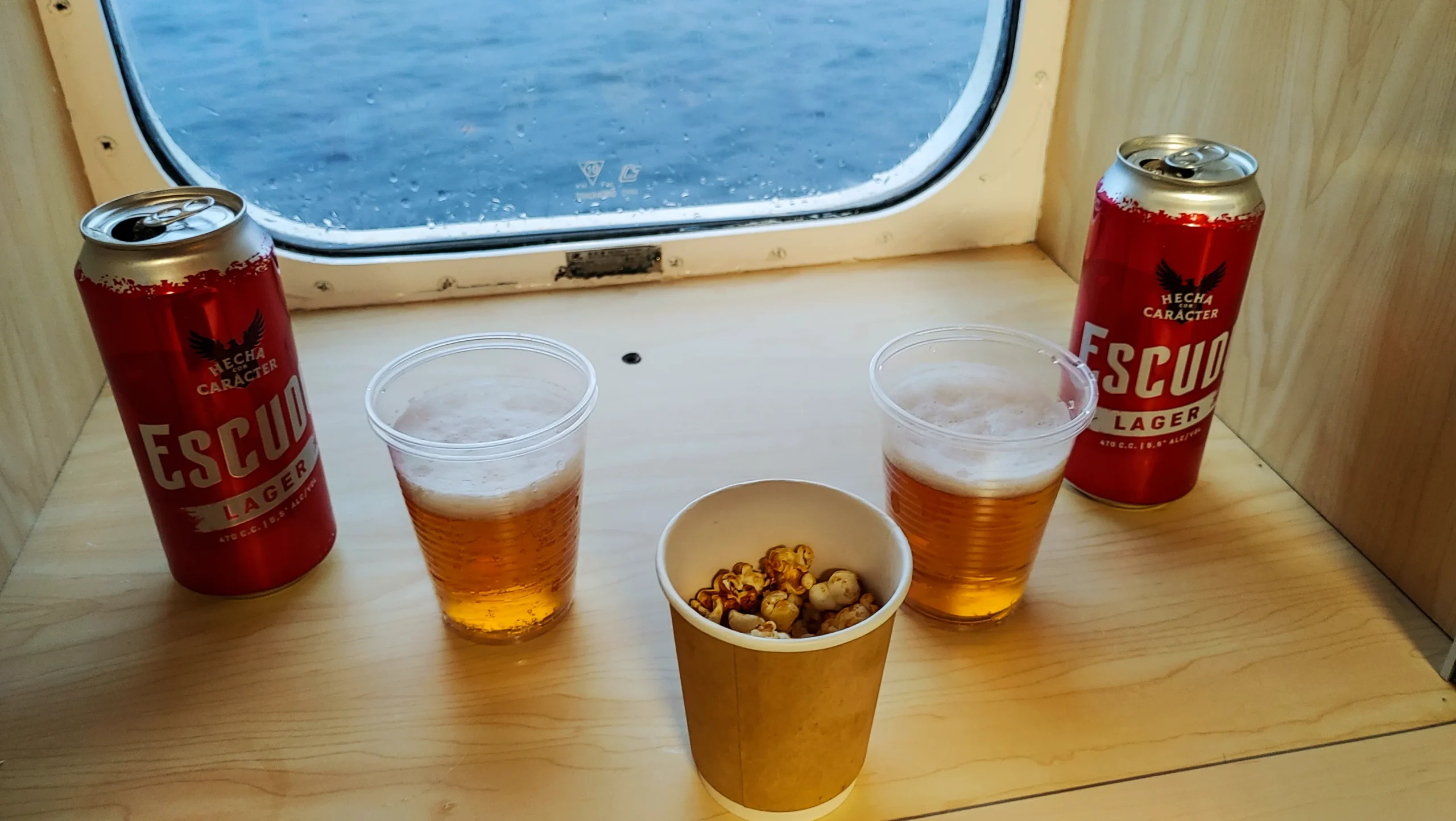
We’ve barely been in our tiny cabin for five minutes when the unmistakable smell of beer fills the room. Not exactly what we want on a ferry where alcohol is strictly forbidden.
We throw open our bags. There it is. One of the cans we’ve smuggled on board has burst. A thin stream of beer is spraying everywhere. Clothes, towels, bags – everything is soaked. And we still have four days ahead of us on the ferry from Puerto Montt to Puerto Natales in Chile´s Patagonia.
Without wasting another second, we start cleaning. Wash all the beer-soaked clothes. Check all the other cans. Luckily, they’re all intact.
Only one problem remains – the smell. It’s everywhere.
That evening, the captain welcomes everyone on board. A no-nonsense guy. He introduces us to life on board, especially he talks about the ban on alcohol.
With a grin, he admits he knows that many passengers probably have a bottle or two hidden somewhere. Then he adds one simple request: “Just don’t let me catch you.”
The next morning, the scent of beer still lingers in our cabin. Hopefully housekeeping won’t notice.
Three days later, we’ve relaxed. So far, no one knocks on our door. No inspections. No punishment.
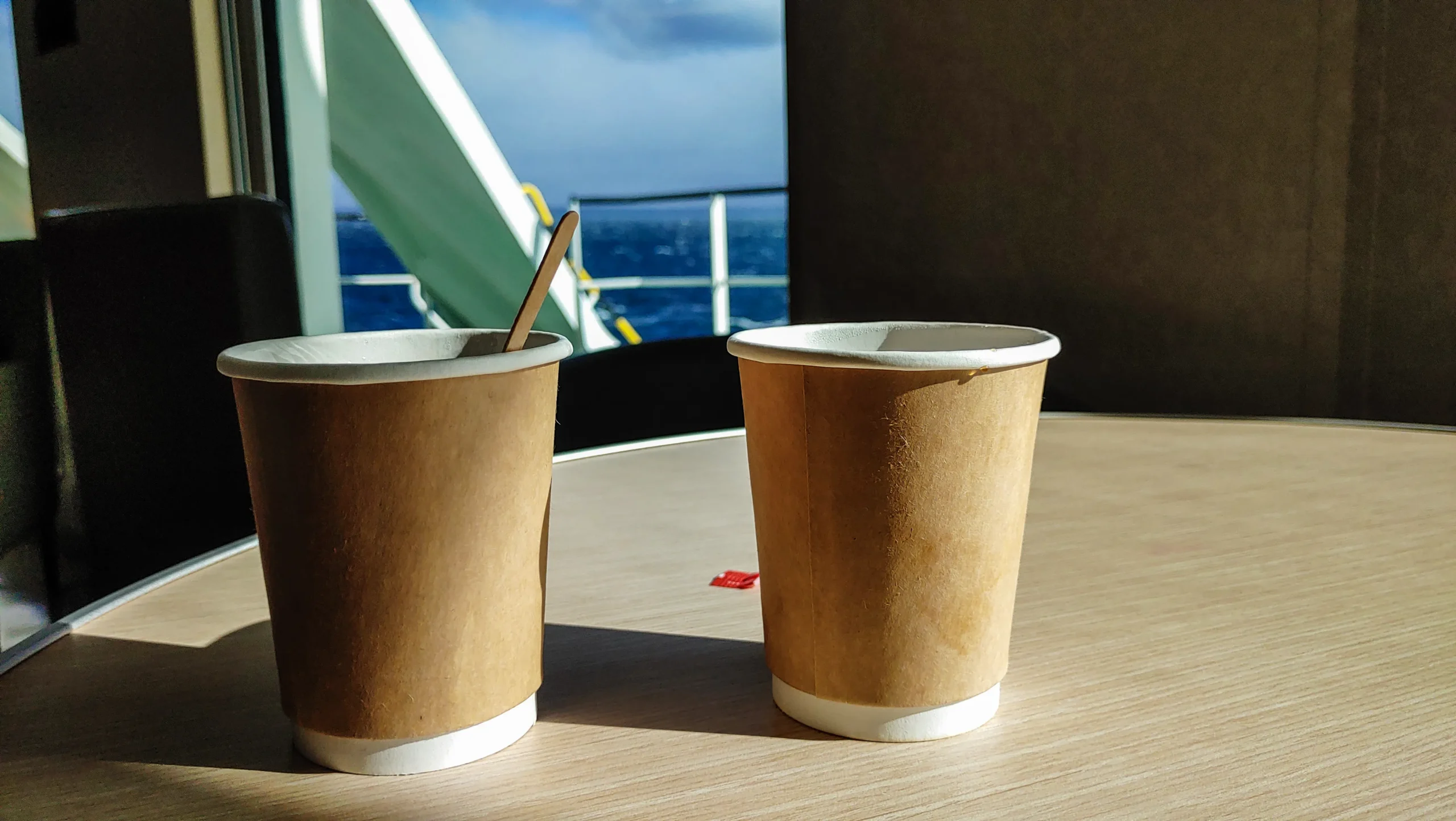
We’re sitting in the ferry lounge with our newly found friends. Tea in our cups. A generous splash of Flor de Caña rum from Nicaragua in each cup. Outside, the dramatic coastline of Parque Nacional Bernardo O’Higgins slowly drifts past. Inside, the unmistakable smell of rum fills the room. The captain never shows up here.
Looking back, the leaking beer probably caused us much more stress than the captain ever intended.
On the night of the fourth day, we arrive safely in Puerto Natales. A really spectacular trip through Patagonia´s inland waterways comes to its end.
Only later do we learn why the alcohol ban exists. Years earlier, a passenger had become so drunk that he jumped overboard into the freezing waters of southern Patagonia. Suddenly, the alcohol ban is a bit more understandable.
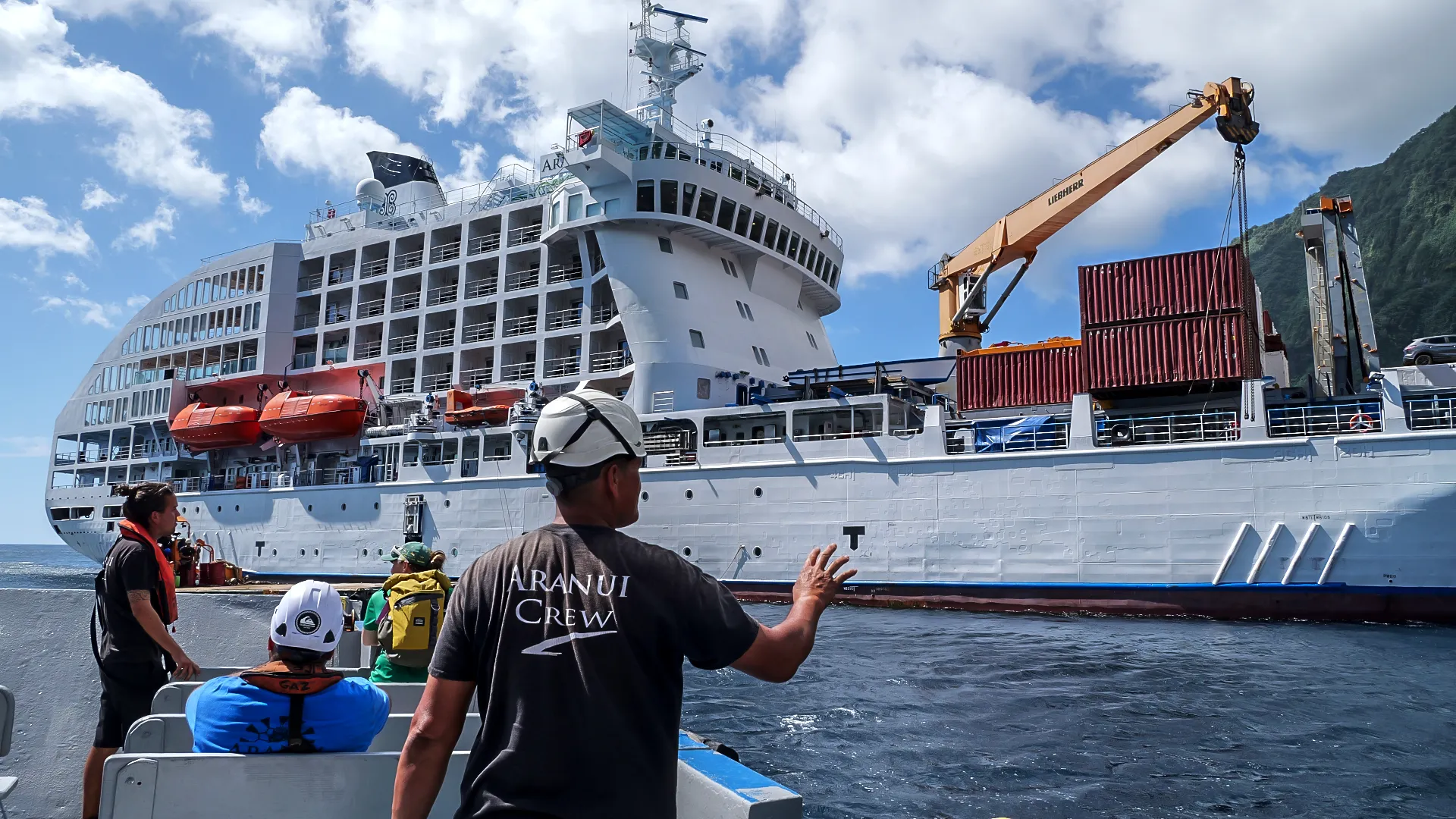
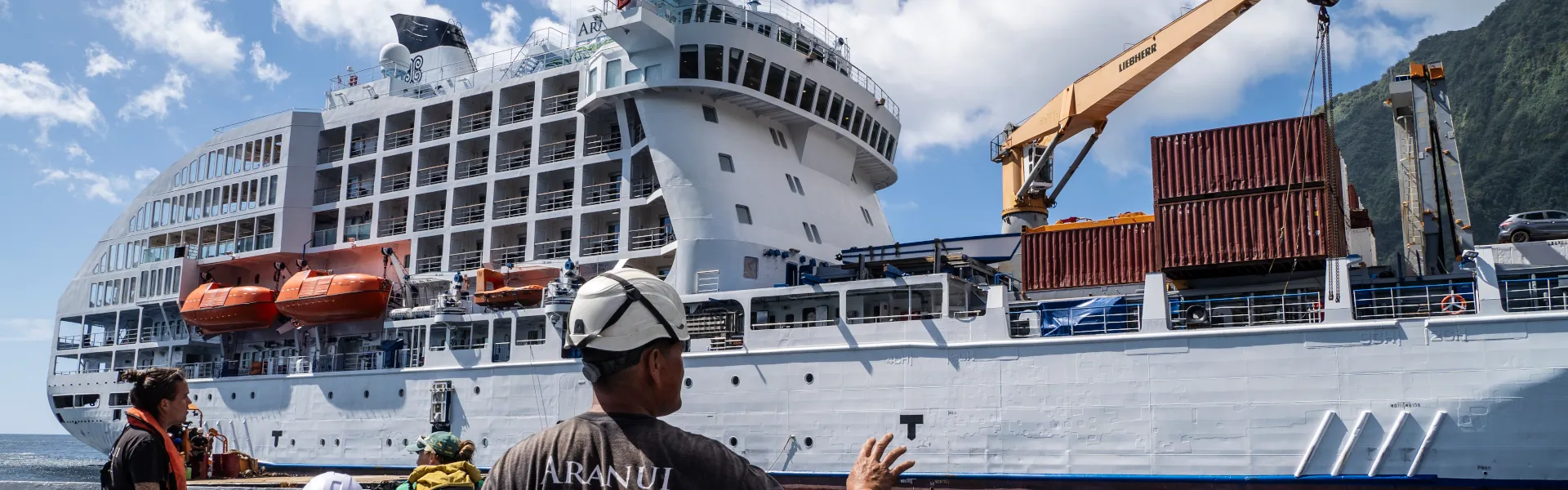
It wasn’t our last journey by ship. Antarctica followed. So did a combined freighter-cruise through the Marquesas and several smaller island ferries around the world.
By now, we’ve stopped caring how we get there. Backpack, rental car, ferry, camper van, or Prado – as long as the journey promises another good story, we’re in.