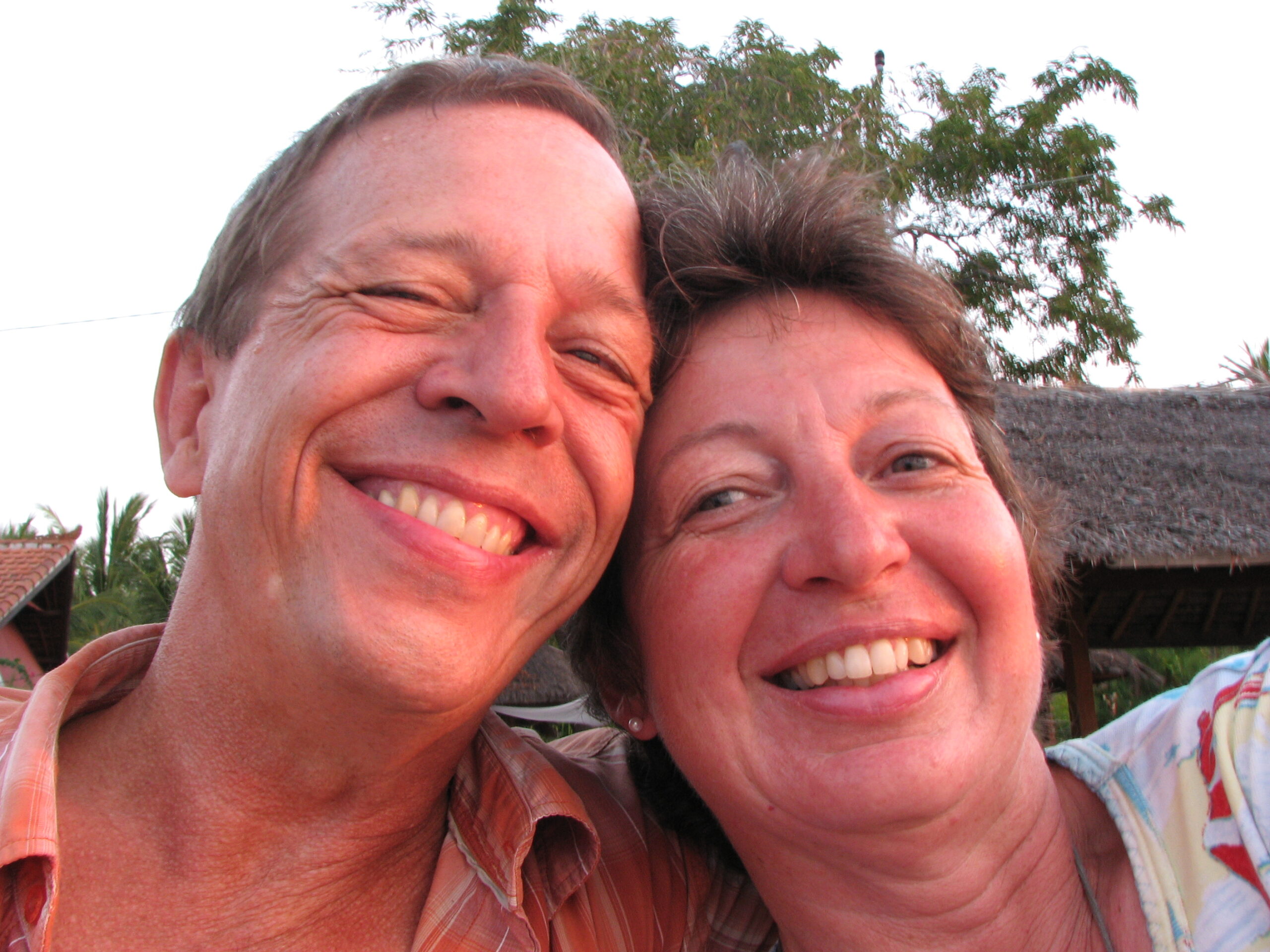

The People Behind the Journey
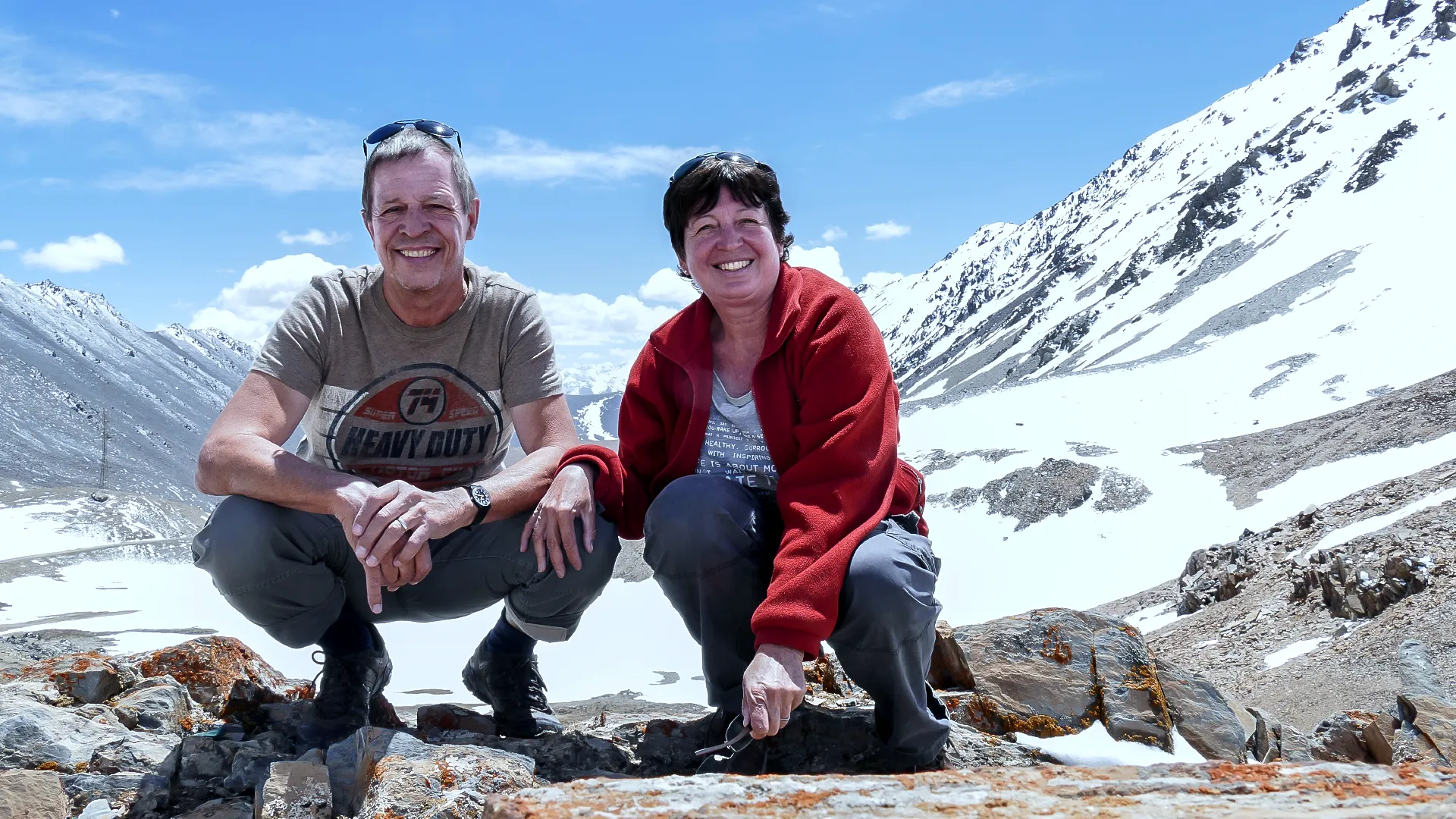
We’re Monika and Martin. We’ve spent more than four decades exploring the world – sometimes with backpacks, sometimes in a Land Cruiser Prado, sometimes in a campervan, but always driven by curiosity.
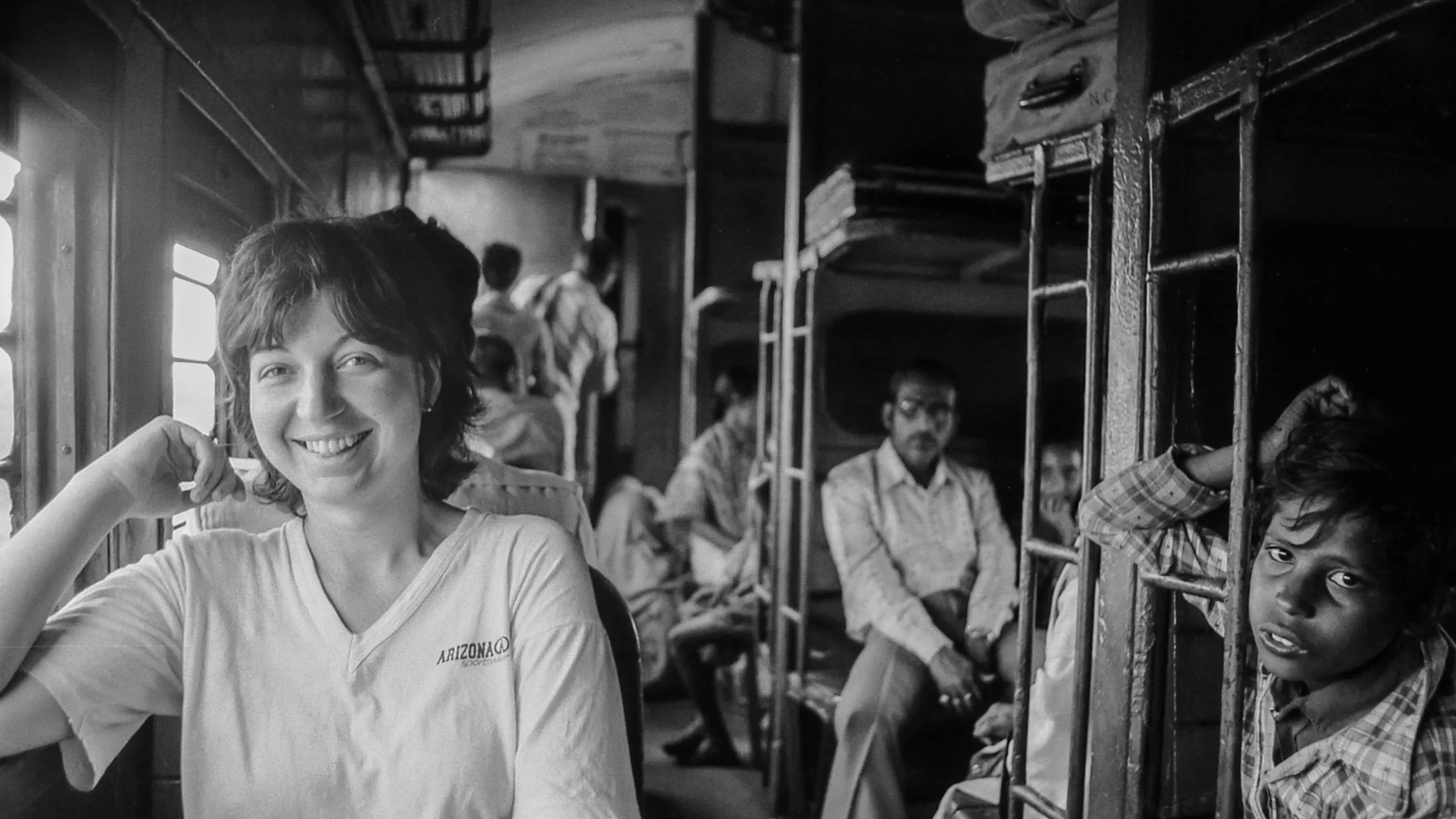
At 5 a.m., somewhere east of Kandahar, Afghanistan, the bus stops. It’s sunrise, the time of prayer as everyone steps out to join. Martin, in the middle of them, has no clue what to expect from his 1st 2-month trip on the Hippie Trail. Weeks later, after seeing Kumari, the Living Goddess, in Kathmandu, he’s back home. True, he has lost some weight, probably picked up a case of hepatitis, but he’s ready to start his studies in Switzerland.
Neither of us knew it then, but that journey would shape the next 40 years of our lives.
Two years later, now in a relationship with my fellow student, Monika, we endure a night-long trip on hard wooden benches from Malaysia to Indonesian´s Nunukan. In a wooden boat with a pretty dodgy engine, we follow the east coast of Borneo, using inland waterways whenever possible, without any lights to stay hidden. No wonder the wooden boxes under our seats are filled with all kinds of weapons.
Somehow, we arrive without problems, even more curious than before about what other adventures await us. And there’s definitely no thought of returning to university for the next 6 months. We didn’t know it then, but traveling together would become one of the constants in our lives.
Eventually, life catches up with us. We’re busy finishing our master’s degrees and preparing for our careers in international development with a big German institution.
Travel didn’t stop – it simply changed. Our work took us to many fascinating countries we probably would never have visited, only this time from a very different perspective.
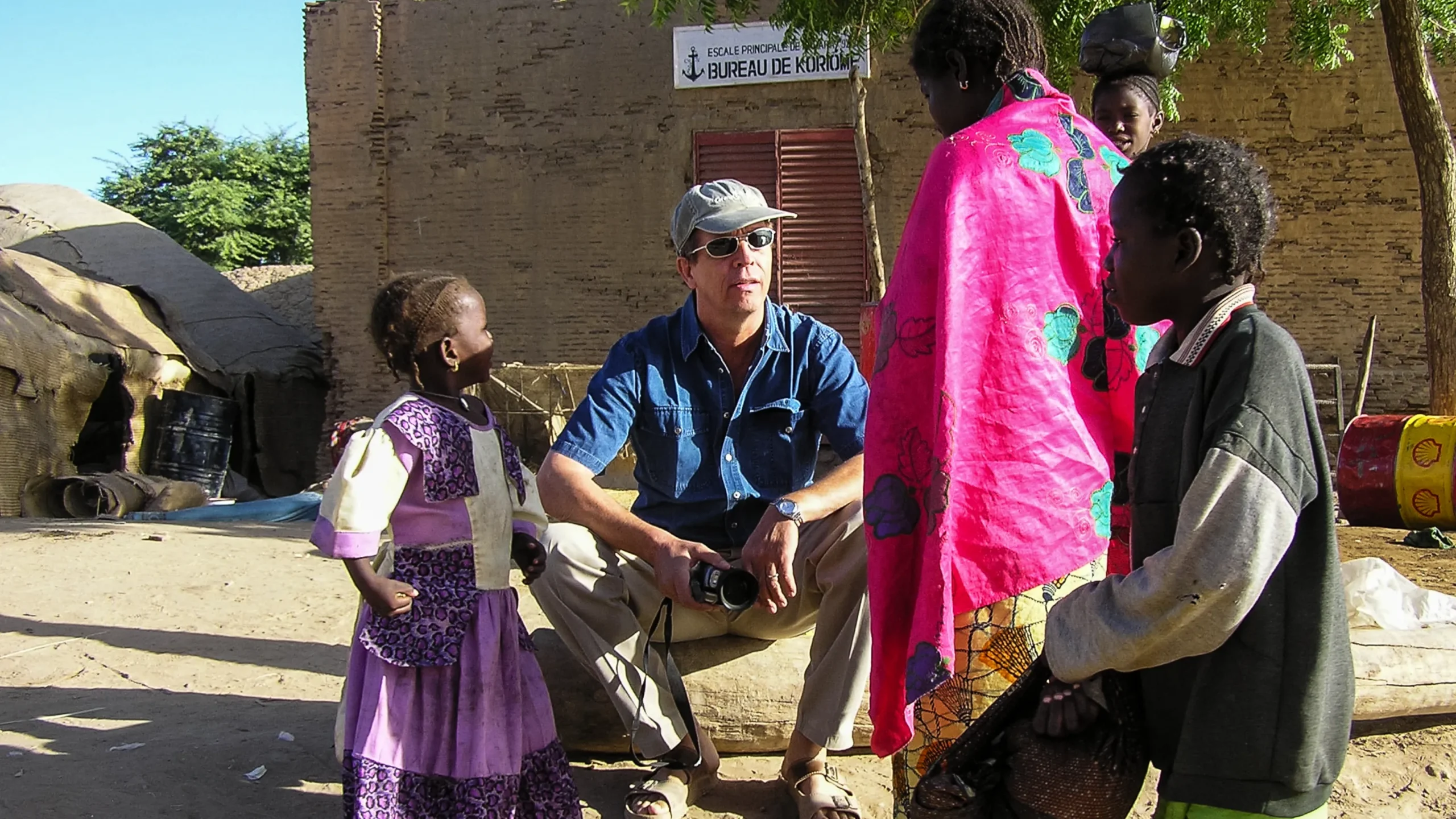
Just a handful of scattered villages in the dust of the Harmattan, exposed to the relentless sun of the Sahel at the turn of the millennium. Not a soul or animal in sight as we cross a nameless settlement on a sandy track.
Suddenly, a noise behind us. A uniformed man is following us on a motorcycle, waving us down. We slowly stop our Prado – at that time a nearly brand-new car – in the middle of the road and greet him politely in our best French.
Quickly, we understand that we’ve committed a serious offense by skipping the local police station for registration. There’s no sign, still every traveler is expected to report. After calming him down, he registers us in a tattered school notebook and directs us to the immigration office of the Republic of Mali in a village further to the north.
A few hours later, we make our entry official. We learn we’re the very first foreigners ever to visit his office. With no official stamp at hand, he draws a visa across a full page in our passports, signs it properly – and off we are.
Two weeks later, after visiting among others Timbuktu and an age-old healer in a Dogon village, we cross into Burkina Faso without any issues. The handmade visa is accepted without question.
Over the years working across the Caribbean, Asia, and Africa, we regularly set off on short, adventurous trips during Christmas time – a week or two – alongside more relaxed journeys during annual leave.
After extended discussions with our employer, we finally took a sabbatical in 2007 for a year-long backpacking trip to Asia and Australia. It turned into another collection of stories we’d never forget. Some of them still make us smile today.
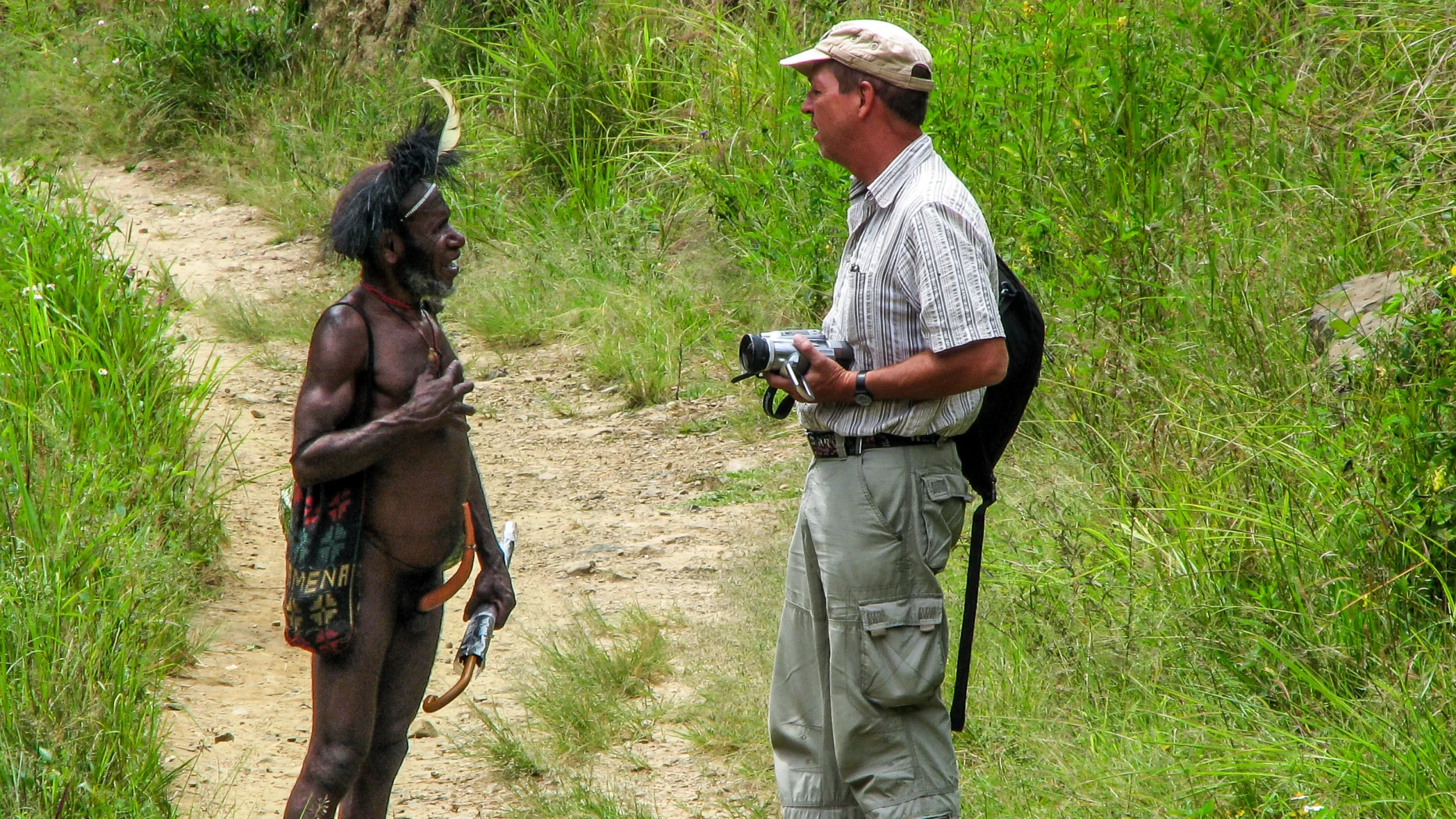
Squeezed between huge men wearing nothing but their koteka (penis gourd) and feather headdresses, we’re in the middle of it all. The deafening noise of a struggling engine and the rumbling of a pothole-ridden road surround us as we make our way to a small village in the Baliem Valley to visit a market. Immediately we feel like stepping back centuries. Vendors and customers in the traditional dresses of the Dani, large cuts of pork – either raw or cooked in earth ovens—are offered everywhere, along with local vegetables and only a few items that have to be flown in.
A man approaches and invites us to his house to have a look at his grandma. Yeah, we’re curious. A few minutes later we see her – a mummy – which he places on a chair in front of us.
Every journey comes to an end. Ours did too – at least for a while. Many months later we’re on the plane back to Switzerland – work takes over again. But the office wasn’t meant to keep us for forever.
Just a few years later, and we need another sabbatical to drive with Prado from Lesotho back to Switzerland.
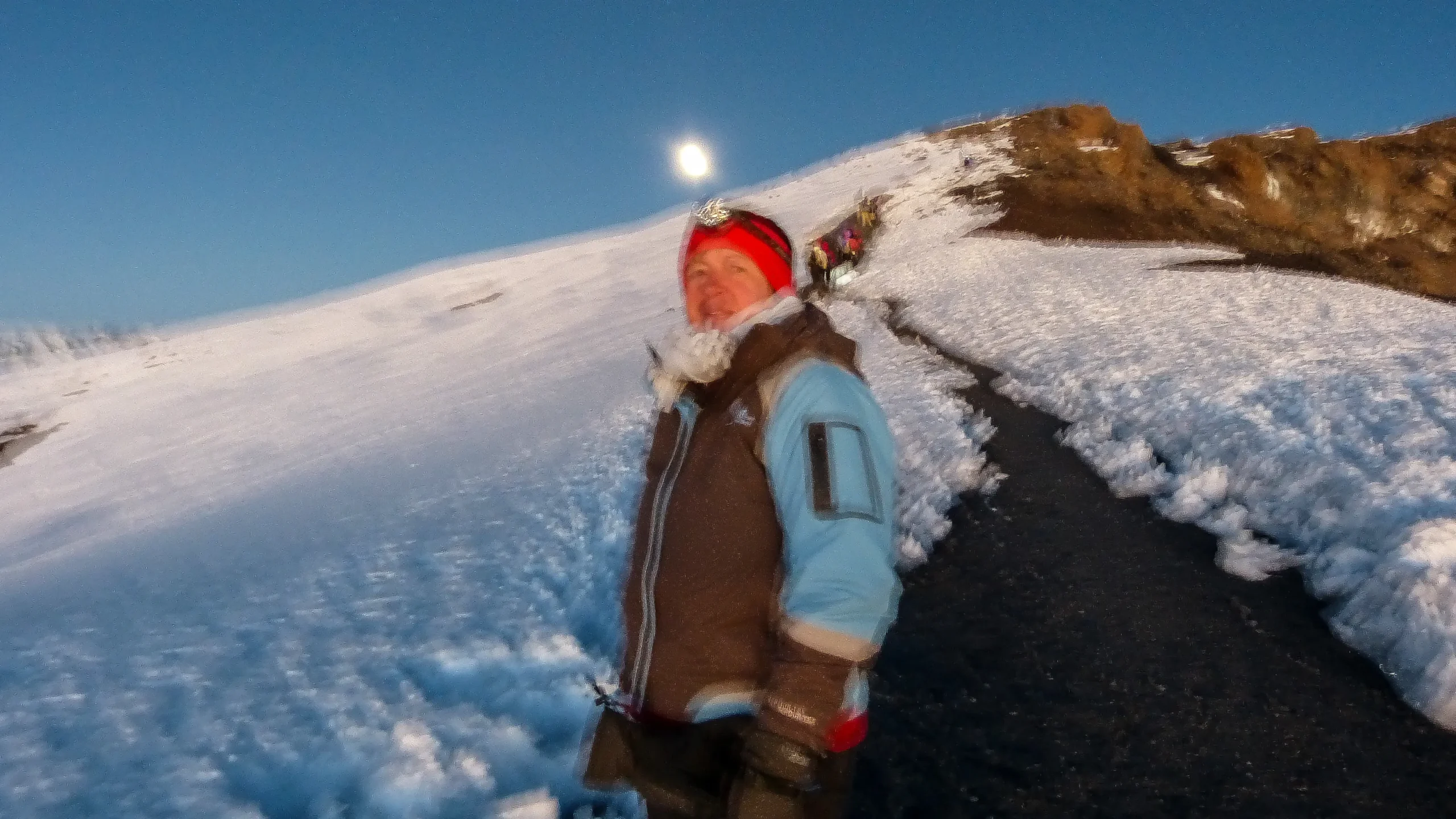
It’s definitely hard work. Every step up the mountain feels unexpectedly tough. The higher we climb, the harder it gets to breathe. We’re in a long line of panting people, fighting their way up the final slope to Stella Point at 5,750m. It’s 5am when we reach it. Time for a frozen Snickers – no wonder its frozen at minus 20 degrees. Then it’s just a 150m climb to reach Uhuru Peak. We made it. After 30 minutes on the top of Africa, we’re on our way down from 5,900m to 1,700m. True, we both show some signs of mountain sickness, but we’re optimistic they’ll disappear after a few days.
The road eventually leads us back to Switzerland once more.
Reality catches up once again. Our finances make the decision for us – back to work.
Two years on the job again, and we definitely feel bored with international development work trying hard to turn the world into paradise. This time, we know it won’t be temporary. We resign in 2014 to concentrate on traveling. Maybe not full-time, but about 6 months a year.
We’ve been waiting the whole day in our Prado. It’s hot and boring. Not knowing if we’ll really make it any further weighs on us.
At dawn, suddenly, the cars in front of us start moving. Our guide and watchdog, used to all kinds of administrative constraints, explains to us that the road is open again. Nothing can stop us anymore from driving up to the Western Plateau of Tibet, even if we know that the reason for closing the road is a maneuver of the Chinese Army along the Indian border. Understandable that we can only cross at night, cannot take pictures, and are not allowed to stop anywhere along the road. We cross an area highly restricted for foreigners, marked by longstanding political tensions and major military exercises.
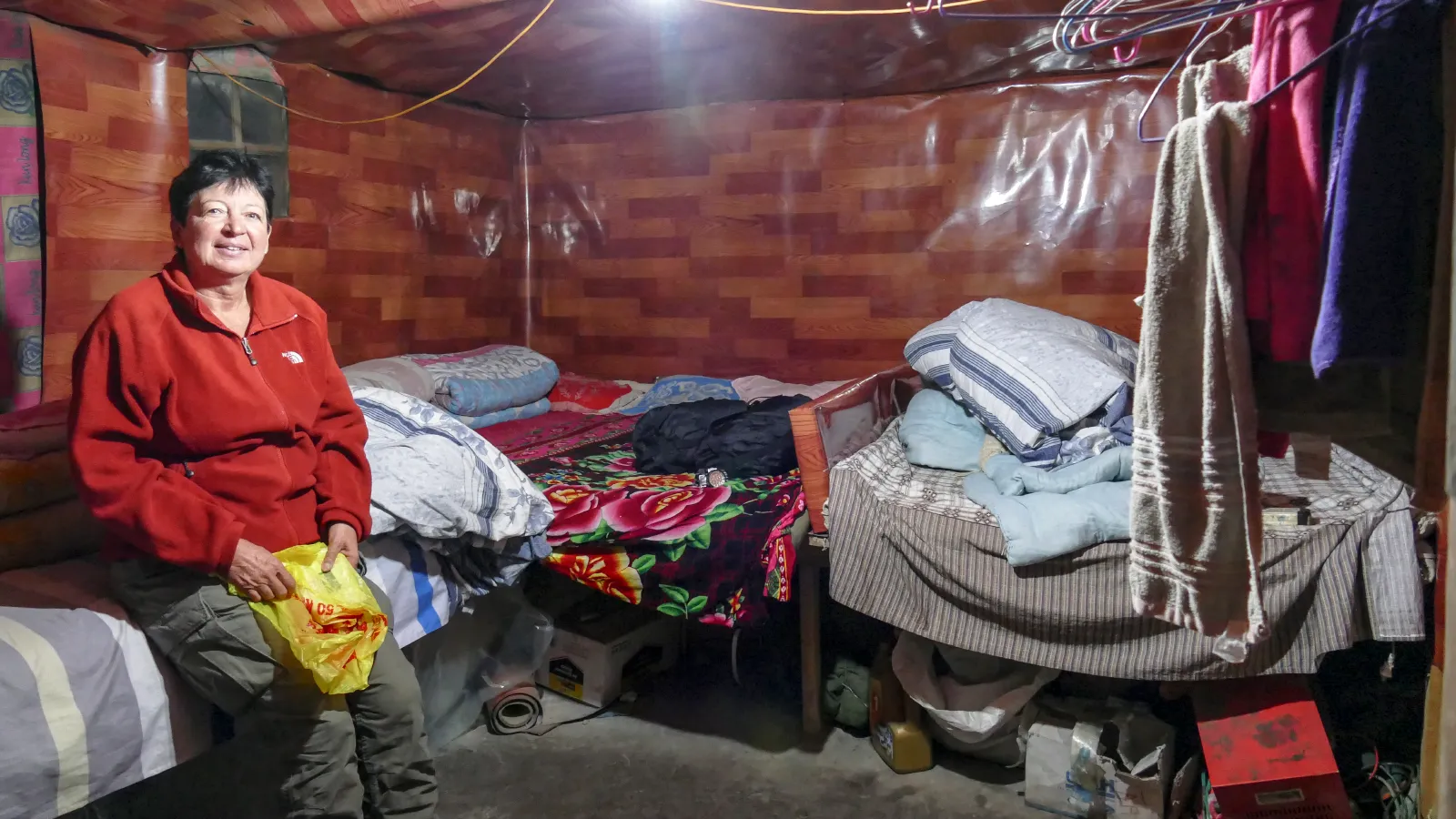
The next morning, at 3am, we arrive safe and sound in a unnamed place and get a bed in a dorm for truck drivers. Luckily, in the morning we find instant noodle soup for breakfast – nothing else is available.
Monika shakes Martin awake from his well-deserved sleep in our hotel room. It’s dawn. She woke up to the sound of gunfire. She’s a bit panicked because it’s not too far away, and the shooting goes on. Sometimes from one side only, then from the other, more often everywhere. Is it revolution, is it Cártel Jalisco Nueva Generación fighting the Sinaloa Cartel, or a neighbor defending his house against brutal burglars?
The minutes stretch into eternity, and so does the fear. Then the shooting stops. Silence spreads again.
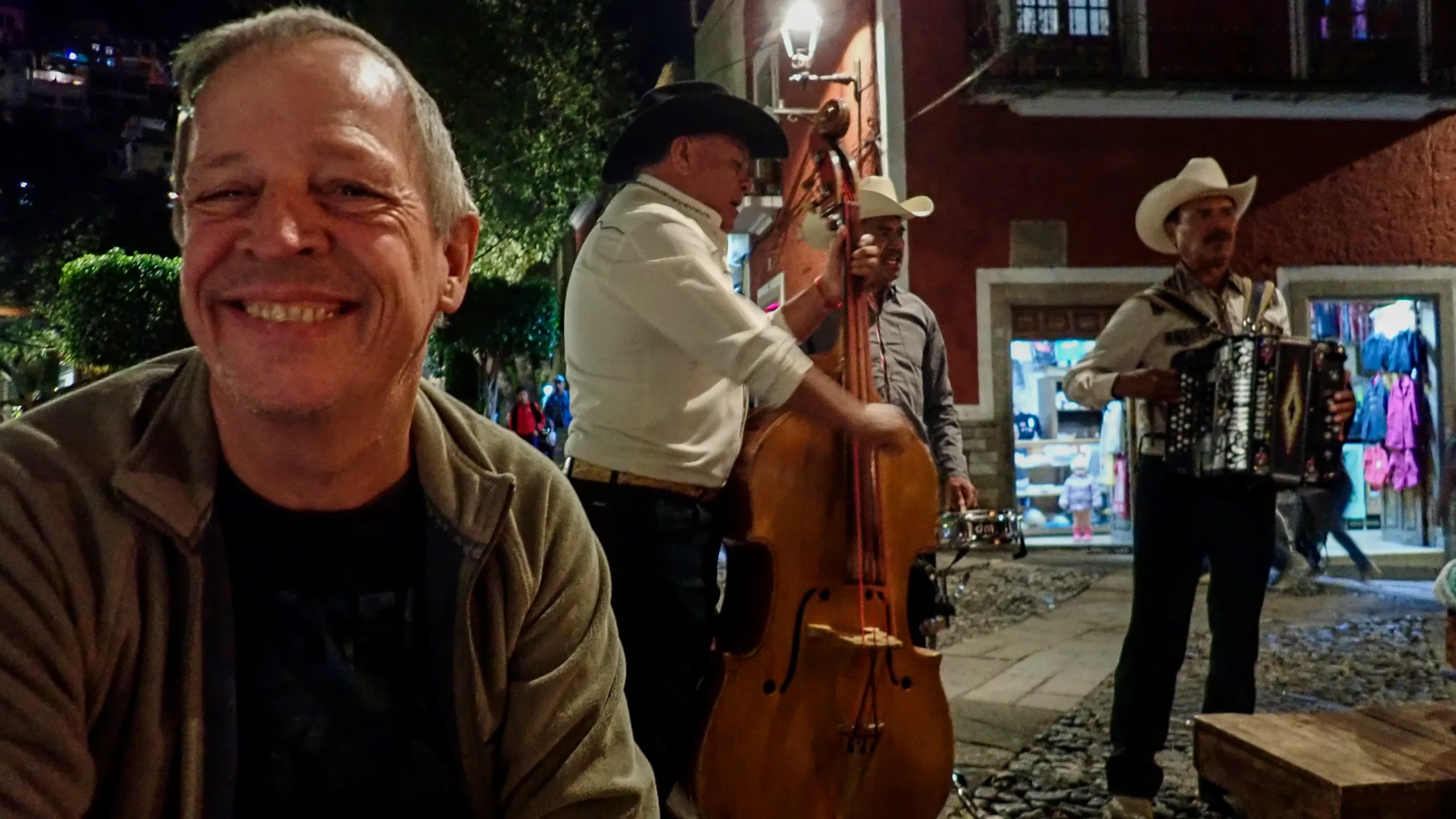
Well, we ask later what has happened. No one had heard anything about a shooting at all. They just know there was a large wedding party nearby. And fireworks at the end are a tradition in Mexico. Even in San Miguel de Allende.
After 20 years on the road, Prado finally tells us it had enough.
Fortunately, another chapter had already begun. By then, we had already bought Malibu – a second-hand campervan for adventures a little closer to home. And we still have to visit a few islands around the world Prado could not easily reach.
The journey so far
The road never really ends.
It just changes direction.